
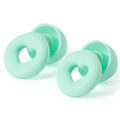


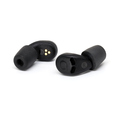
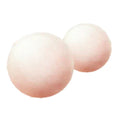

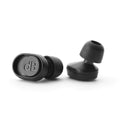
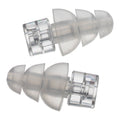


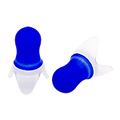
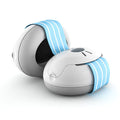








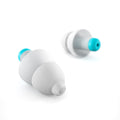

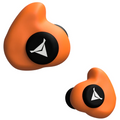
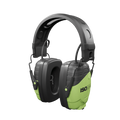

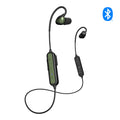










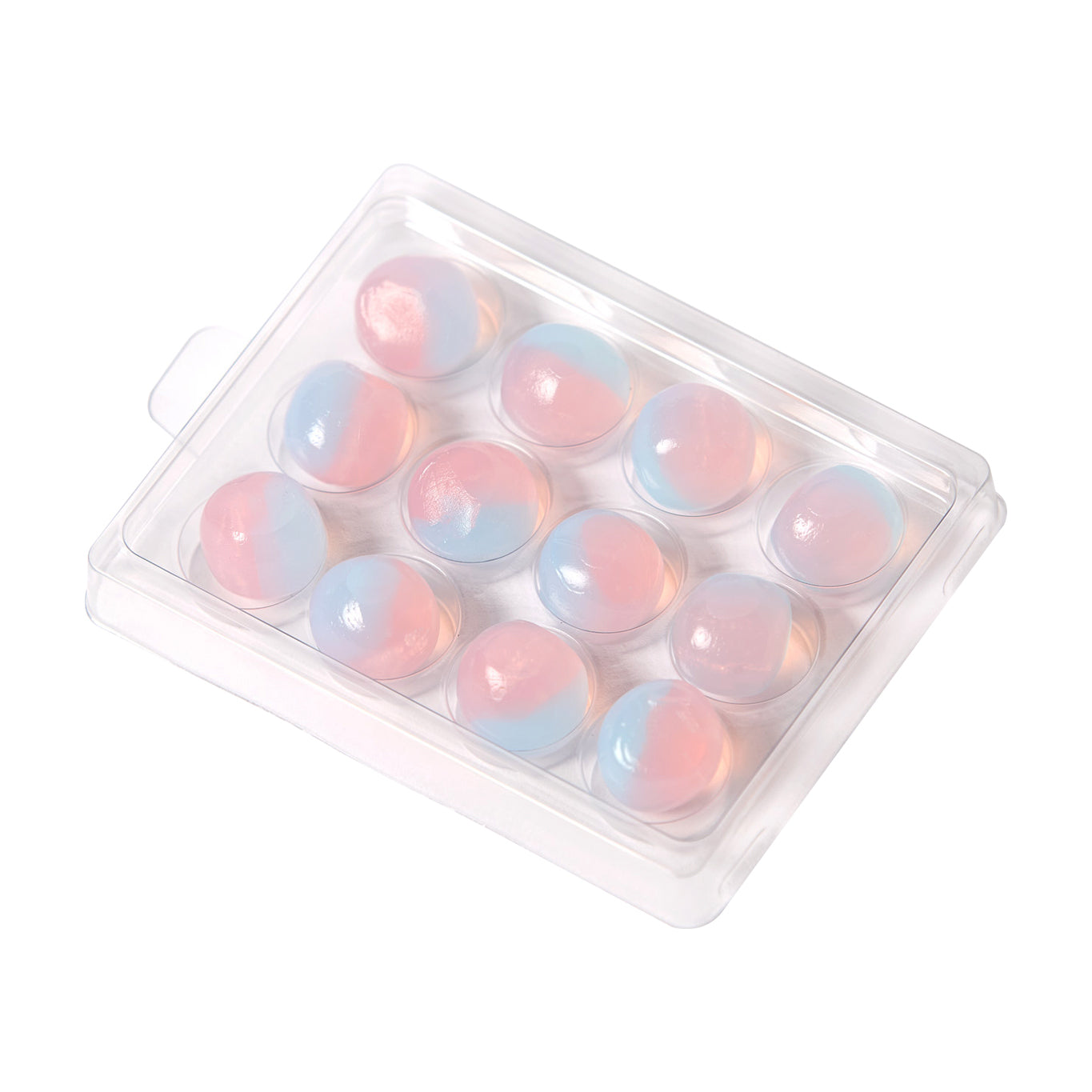
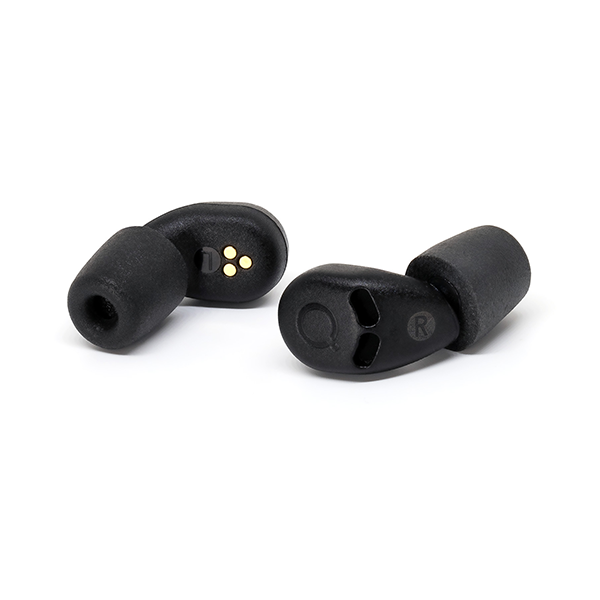


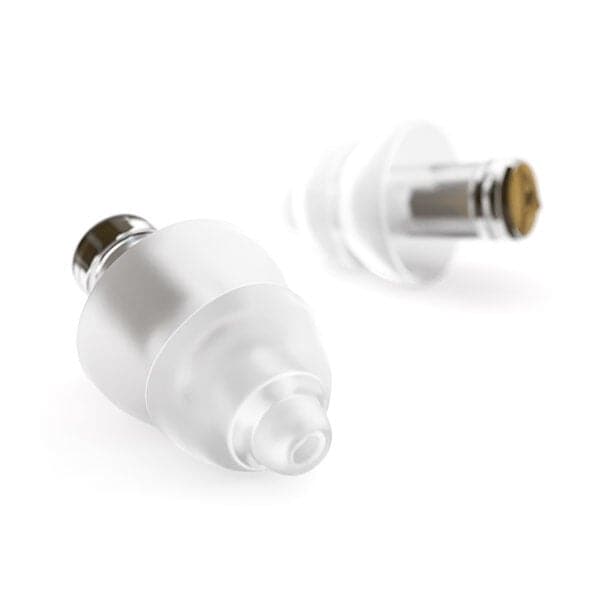
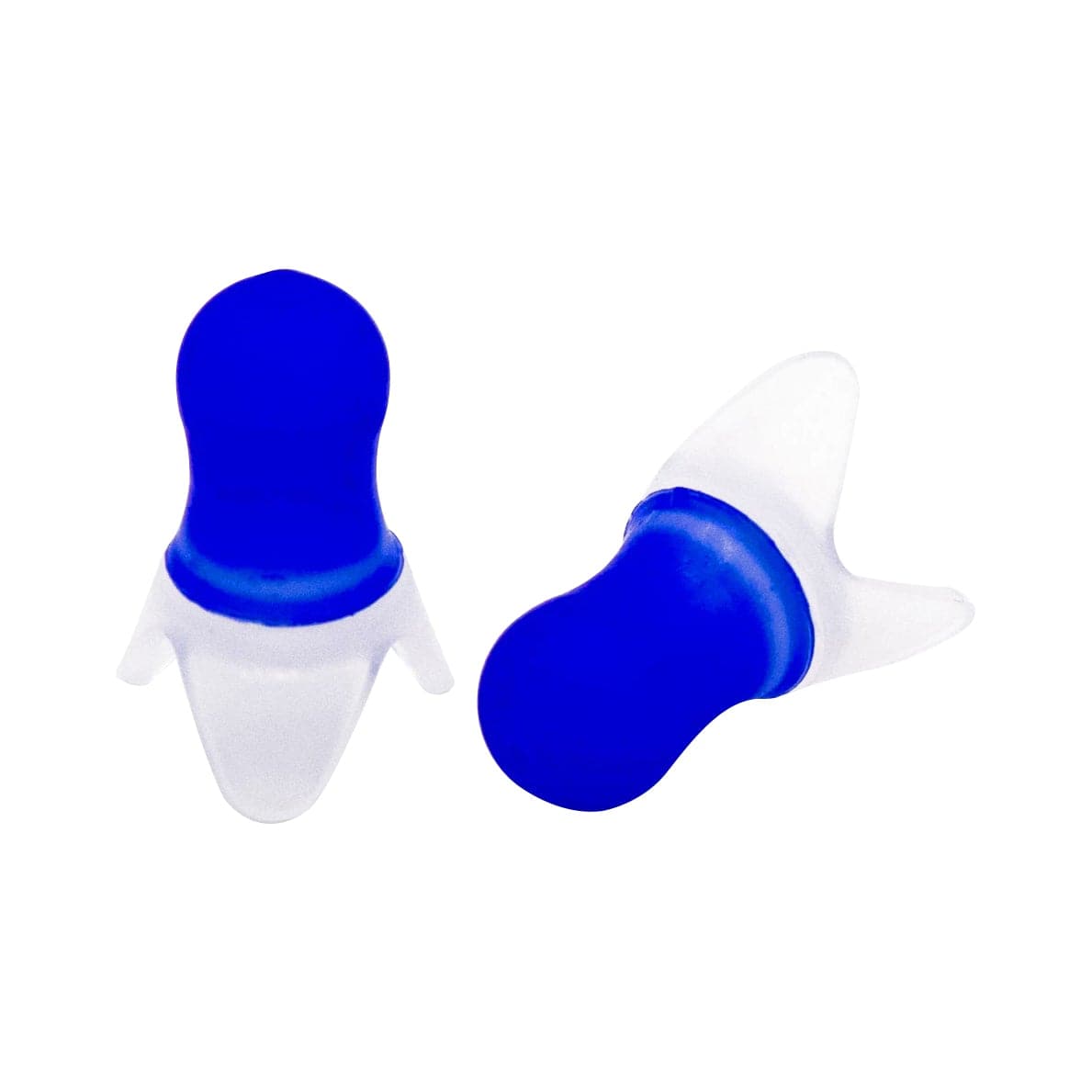








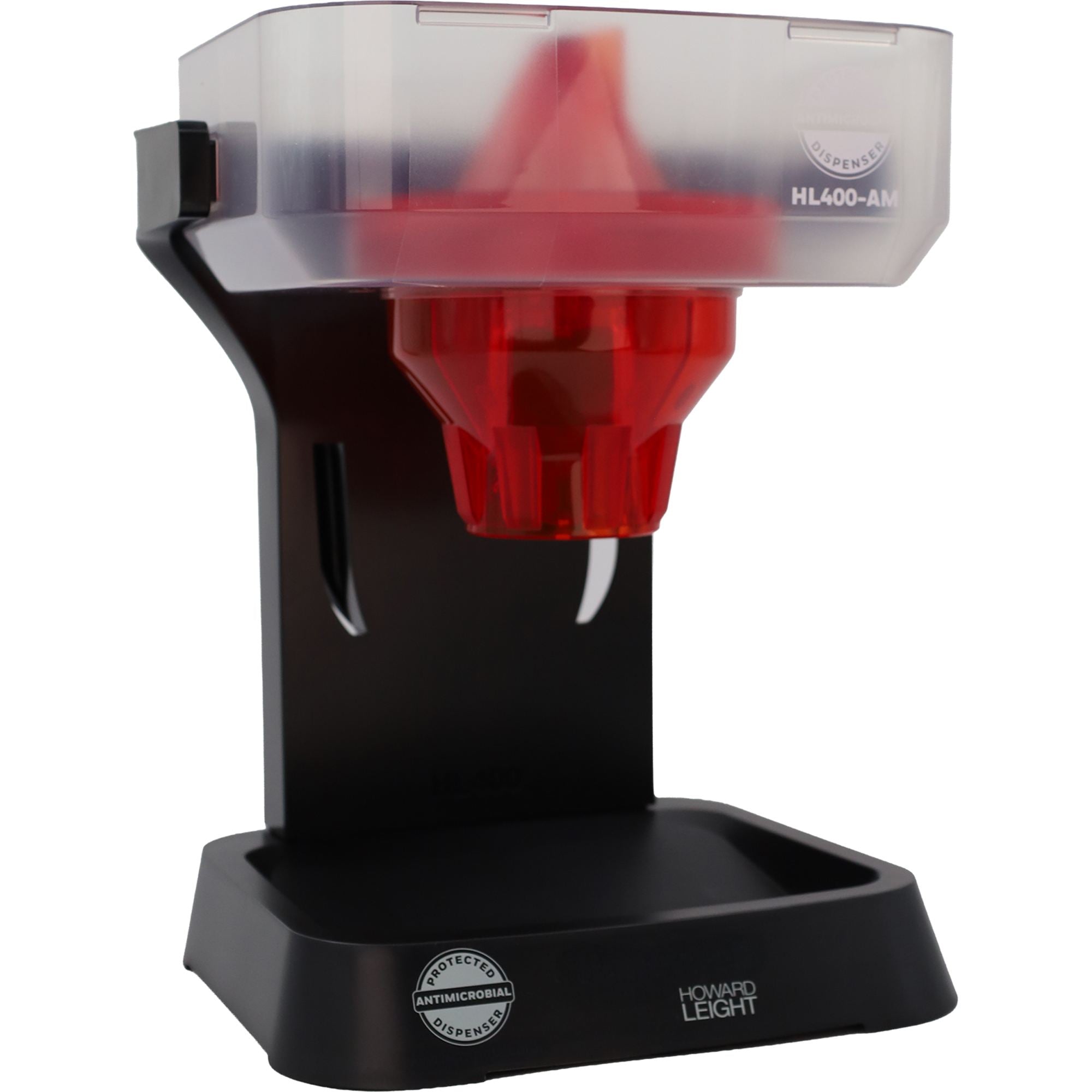
Key Features
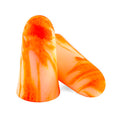
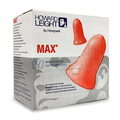
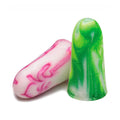
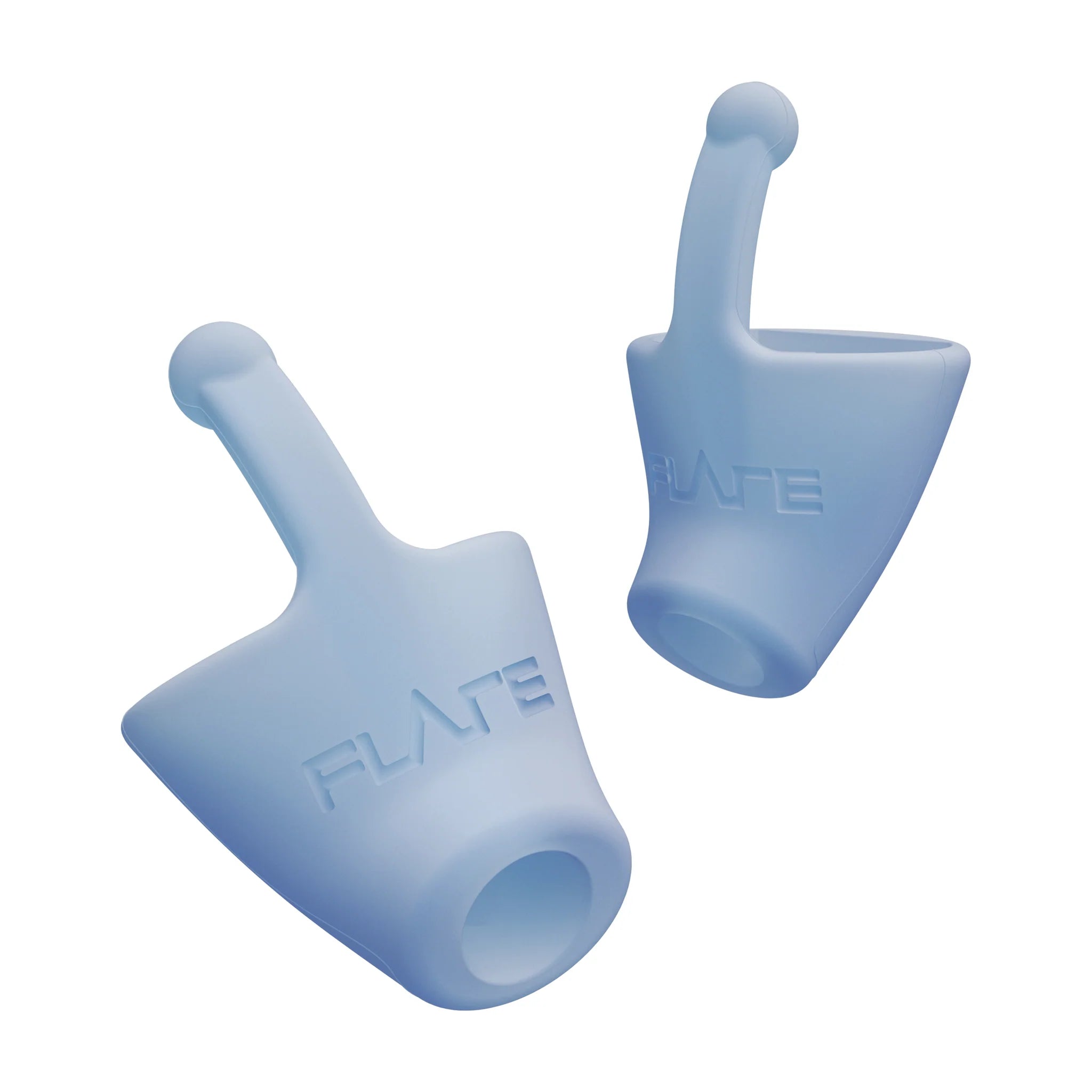
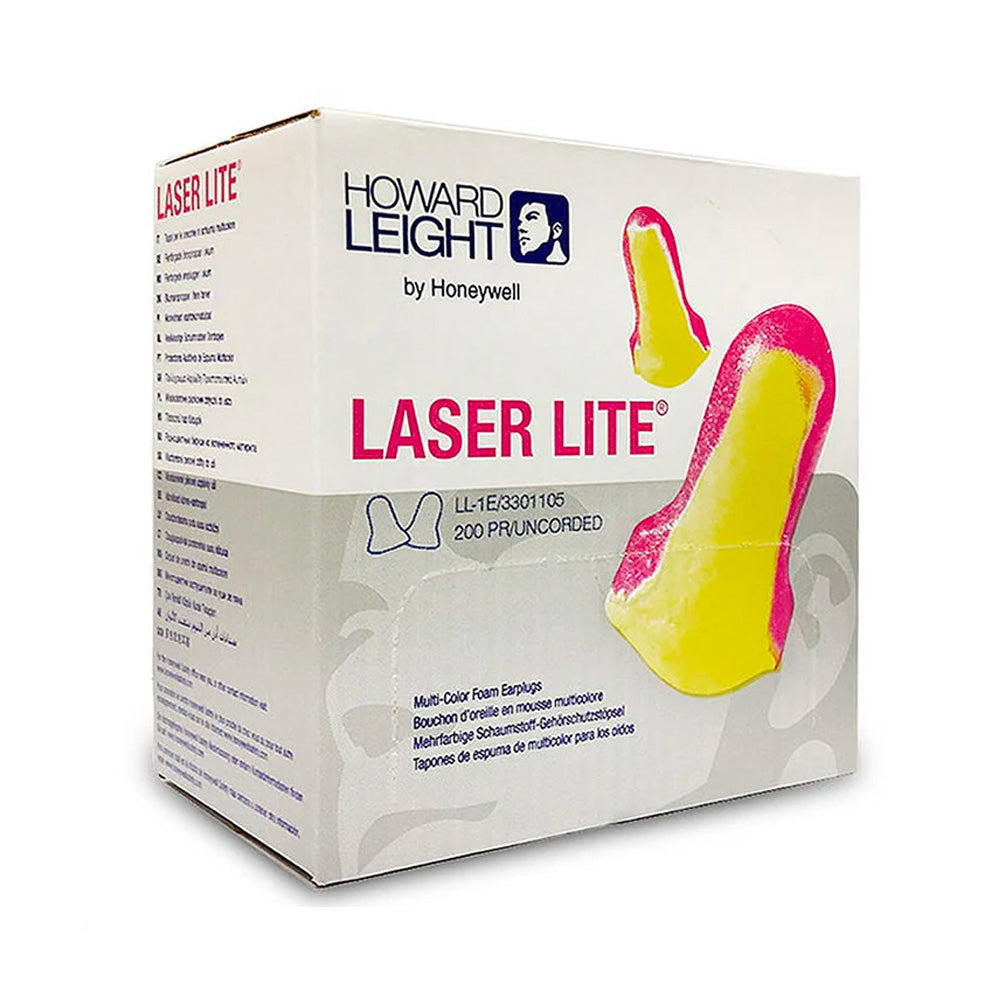
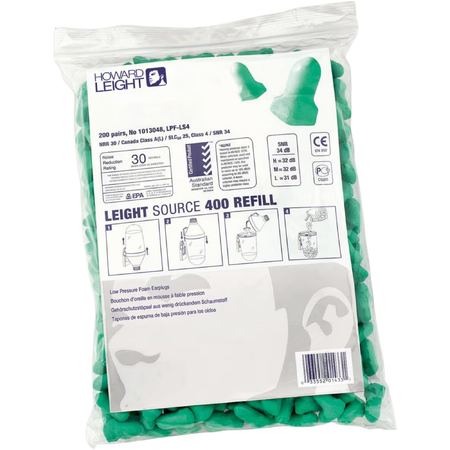
- Contoured T-shape for easy handling and wear
- Low-pressure polyurethane foam expands gently for comfortable long-term wear
- Ideal size for workers with smaller ear canals
- Smooth, soil-resistant closed-cell foam skin prevents dirt build-up
- Uncorded
- SLC80 25dB, Class 4
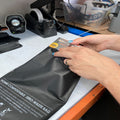
- Refill bag of 200 pairs
- Appropriate for HL400 and HL400 AM dispensers
- Product Code: LPF-LS4-REFILL
SLC80 26dB
This hearing protection product complies with the Australia/New Zealand standard and has been tested in accordance with AS/NZS 1270.
It has an SLC80 rating of 26 (which in rough terms means it blocks about 26dB of noise) and is a Class 5 hearing protector.
- Class 1: SLC80 10–13 - Suitable for <90 dB noise levels
- Class 2: SLC80 14–17 - Suitable for <90-95 dB noise levels
- Class 3: SLC80 18-21 - Suitable for <95-100 dB noise levels
- Class 4: SLC80 22-25 - Suitable for <100-105 dB noise levels
- Class 5: SLC80 ≥26 - Suitable for <105-110 dB noise levels
SLC80 Explained
Under AS/NZS 1270:2002, hearing protection is tested for its Sound Level Conversion (SLC80) rating, which indicates the difference between the environmental noise and the sound reaching the wearer’s ears. This rating helps determine the appropriate Class of hearing protection for specific noise levels.
Australian and New Zealand workplaces are obligated under AS/NZS 1269.3:2005 to:
- Conduct noise level surveys to assess exposure (measured as LAeq,8h).
- Provide suitable hearing protection for workers exposed to noise above 85 dB(A).
- Ensure hearing protection is maintained and properly fitted to achieve effective attenuation.
Employers must select hearing protection suitable for the measured noise levels, ensuring compliance with occupational noise management regulations.
NRR 30
An NRR of 30 means that the hearing protection is estimated to reduce noise levels by an average of 30 decibels across various frequencies.
'NRR' in hearing protection stands for 'Noise Reduction Rating,' which is a single value used to indicate the average level of noise reduction a hearing protection device provides across different frequencies, essentially telling you how much sound attenuation the earplugs or earmuffs will offer when worn correctly; the higher the NRR value, the greater the noise reduction level is considered to be.
NRR is primarily used as a rating system in North America, while Europe often uses 'SNR' (Single Number Rating) and Australia/New Zealand use 'SLC80'; which both differ slightly in calculation.
SNR 34
An SNR of 34 means that the hearing protection is estimated to reduce noise levels by an average of 34 decibels across various frequencies.
'SNR' in hearing protection stands for 'Single Number Rating,' which is a single value used to indicate the average level of noise reduction a hearing protection device provides across different frequencies, essentially telling you how much sound attenuation the earplugs or earmuffs will offer when worn correctly; the higher the SNR value, the greater the noise reduction level is considered to be.
SNR is primarily used as a rating system in Europe, while North America often uses 'NRR' (Noise Reduction Rating) and Australia/New Zealand use 'SLC80'; which both differ slightly in calculation.


