


























NDIS invoices available: Our hearing protection range can be invoiced for plan-managed NDIS participants, subject to individual funding arrangements and eligibility. Simply contact support@earjobs.com.au and our team can help prepare an invoice.
For many autistic children, the world can be an incredibly noisy place.
The chatter of a busy classroom, the sudden ringing of a school bell, the clatter of dishes at a restaurant or the noise of a crowded shopping centre can sometimes feel overwhelming.
Sounds that barely register for one child may be distracting, uncomfortable or even painful for another.
This experience is often described as sound sensitivity, and it's common among children on the autism spectrum. Some children may be particularly sensitive to specific noises, while others find the cumulative effect of background sound difficult to manage.
The good news is that there are practical ways to help.
For some children, ear defenders, earmuffs and specialised earplugs can make noisy environments more comfortable, providing greater control over how much sound they experience.
In this guide, we'll explore some of the best hearing protection options for autistic children, explain how different products work and help you choose the right solution for your child's individual needs.
Why Are Some Autistic Children Sensitive to Sound?
Many autistic children experience differences in how they process sensory information, including sound.
This doesn't necessarily mean they have more sensitive hearing in the conventional sense. Rather, their nervous system may process or respond to certain sounds differently.
For example, a child might find the hum of fluorescent lights distracting, the sudden sound of a hand dryer distressing or overlapping conversations difficult to filter out.
These experiences can contribute to sensory overload, particularly in busy or unpredictable environments.
Common situations that may be challenging include:
-
Classrooms: Multiple conversations, scraping chairs, school bells and group activities.
-
Shopping centres: Background music, announcements, crowds and unpredictable sounds.
-
Public transport: Engines, brakes, announcements and other passengers.
-
Family gatherings: Overlapping conversations, music and excited children.
-
Sporting events: Crowds, whistles, cheering and sudden loud noises.
-
Everyday routines: Vacuum cleaners, hairdryers, hand dryers and kitchen appliances.
For some children, reducing the intensity of these sounds can make a meaningful difference to their comfort and ability to participate.
That's where hearing protection can help.
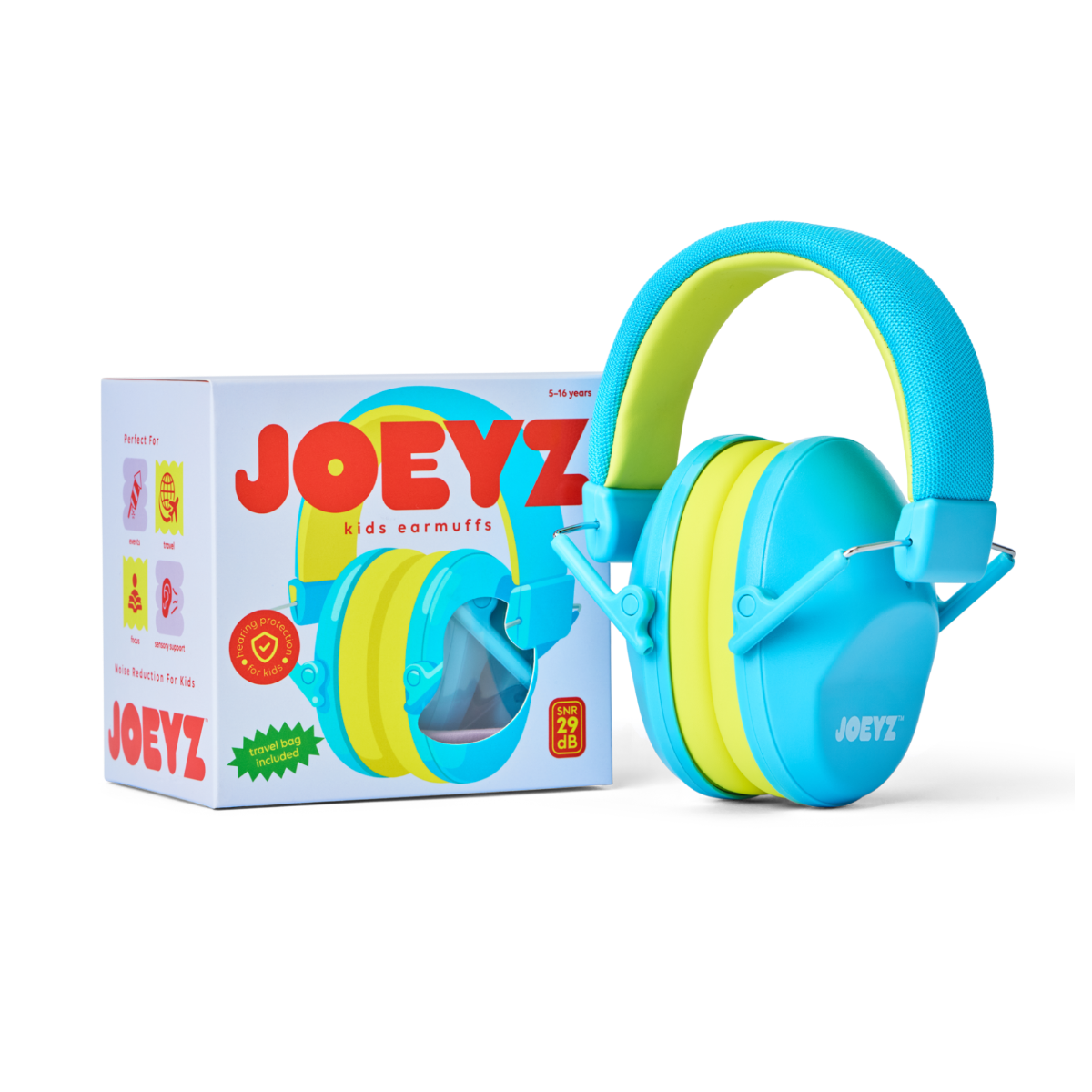
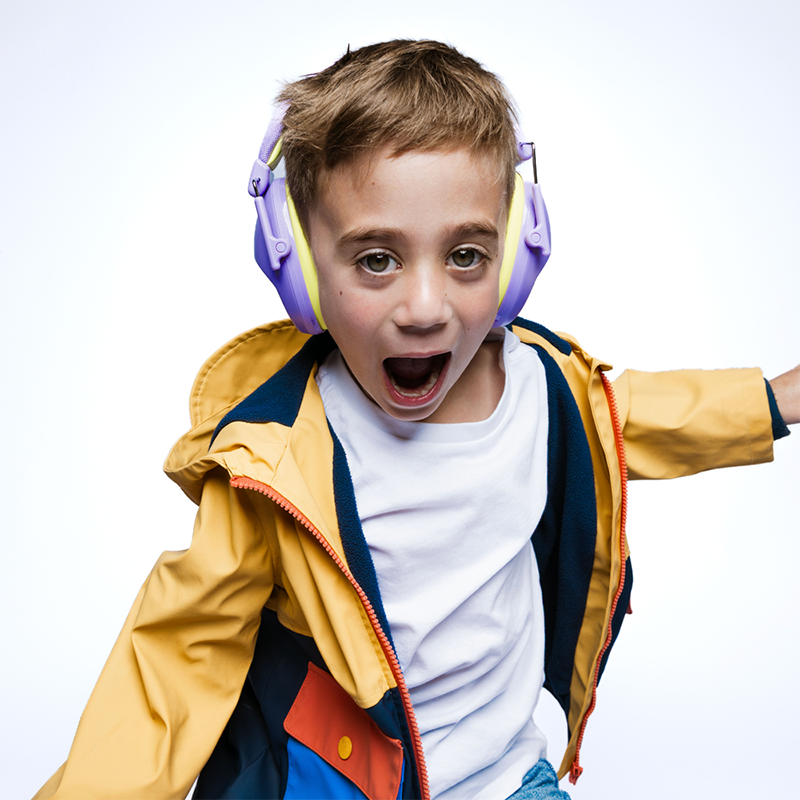
1. JOEYZ Kids Earmuffs — Our Pick for Ages 5–16
Best for: Sensory overload, classroom noise, school assemblies, shopping centres, travel and loud events.

For children who experience sound sensitivity, comfort and reliable noise reduction are two of the most important considerations when choosing earmuffs.
JOEYZ Kids Earmuffs were developed by the team at Earjobs after more than a decade of helping Australian families find suitable hearing protection.
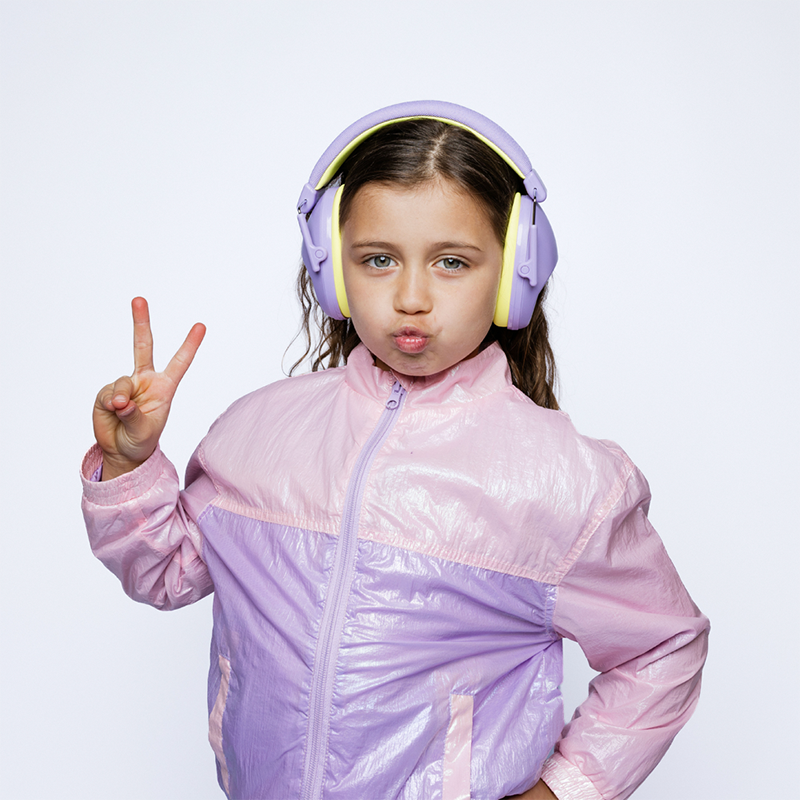
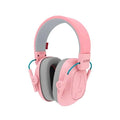
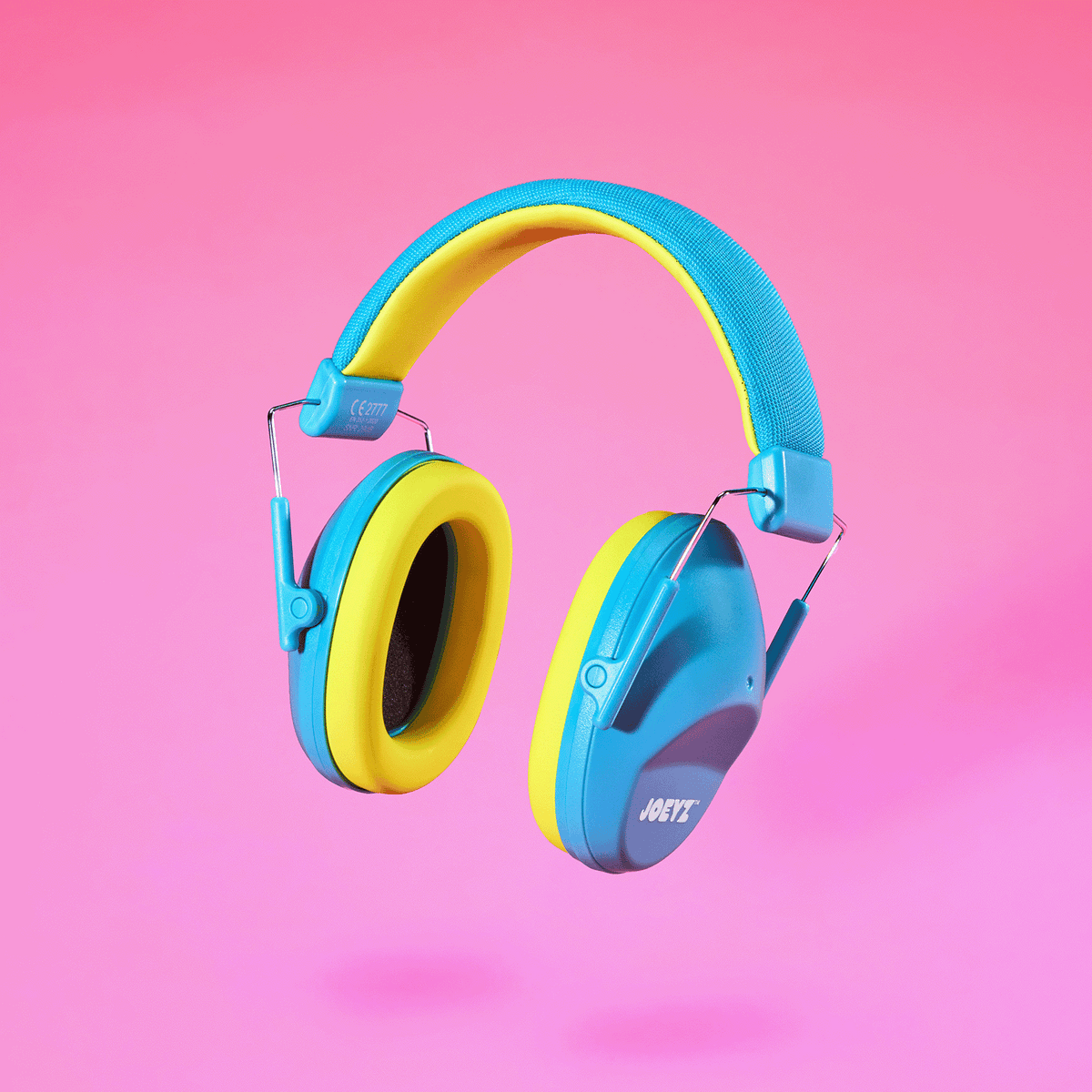
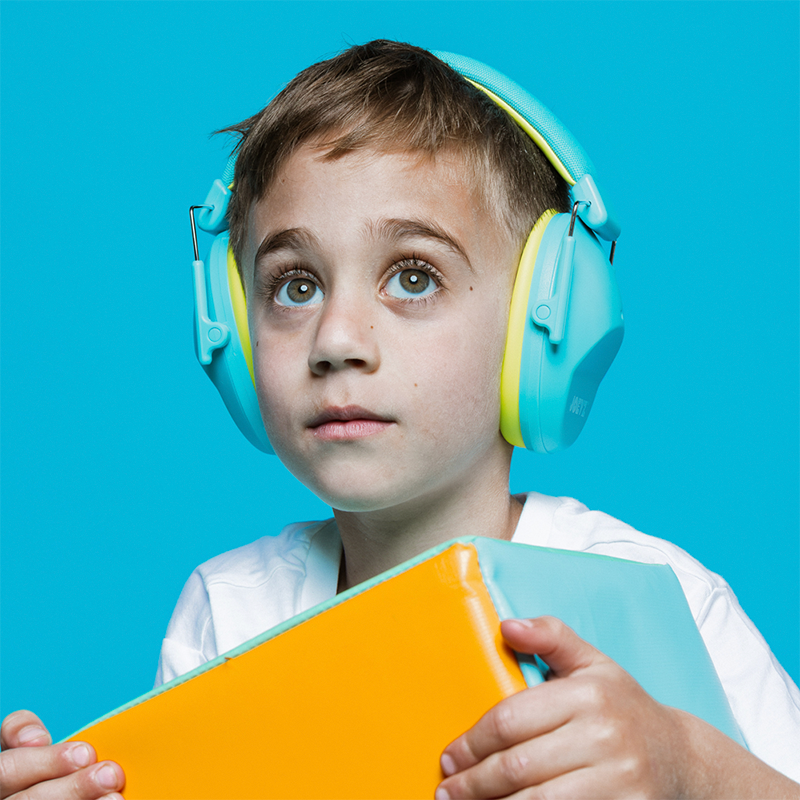
Designed for children aged 5–16, they combine certified SNR 29 dB noise reduction with exceptionally soft cushioning, adjustable sizing and durable construction.
They're designed to reduce the intensity of surrounding sounds, helping make noisy environments more manageable.
For an autistic child, this might mean taking the edge off a busy classroom, feeling more comfortable during a school assembly or having an option to reach for when the sounds of a shopping centre become overwhelming.
Why JOEYZ May Be a Good Choice
-
Certified SNR 29 dB Noise Reduction: Helps reduce exposure to loud, distracting and potentially harmful sounds.
-
Cloud-Soft Ear Cushions: Exceptionally soft padding designed for comfort, particularly important for children sensitive to touch or pressure.
-
Adjustable Fit for Ages 5–16: Designed to accommodate a wide range of head sizes as children grow.
-
Padded Headband: Helps distribute pressure comfortably across the head.
-
Lightweight Construction: Comfortable without unnecessary bulk.
-
Durable Materials: Built to withstand everyday use at home, school and on the go.
-
No Batteries or Audio: Passive noise reduction without charging, electronic sounds or additional audio stimulation.
-
Free Carry Bag: Makes it easy to keep earmuffs in a school bag or take them on outings.

How Can JOEYZ Help With Sensory Overload?
One of the most useful things about passive earmuffs is their simplicity.
They don't need to be switched on, connected to a device or adjusted through an app. They work by physically reducing the amount of sound reaching the ears.
For some autistic children, having a reliable way to reduce background noise can provide a greater sense of control in unpredictable environments.
JOEYZ earmuffs can be particularly useful during noisy transitions, school assemblies, shopping trips or other activities where sounds become difficult to manage.
They don't completely block out the world. Children can still hear many voices and environmental sounds, although speech may become quieter or harder to distinguish.
It's important to remember that every child is different. Some may find the gentle pressure of earmuffs reassuring, while others may prefer an in-ear solution or find over-ear pressure uncomfortable.
The best option is always one your child feels comfortable using.
2. Alpine Pluggies Kids Earplugs — A Discreet Alternative
Best for: Children who prefer earplugs, classroom activities, travel and everyday noise reduction.

Shop Alpine Pluggies Kids Earplugs
Not every autistic child enjoys wearing earmuffs.
For some, the pressure of an overhead headband or the feeling of large ear cups can introduce another source of sensory discomfort.
Others, particularly older children, may simply prefer something smaller and less noticeable.
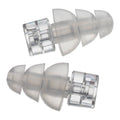
Alpine Pluggies Kids Earplugs offer an alternative.
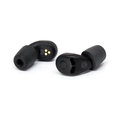
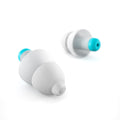
Designed for children aged approximately 3–12 years, these reusable earplugs use acoustic filters to reduce sound while allowing some environmental noise and speech to remain audible.
This makes them a versatile option for children who want to reduce background noise without wearing full-sized earmuffs.
Why Choose Alpine Pluggies?
-
Child-Specific Sizing: Designed for smaller ear canals.
-
Filtered Noise Reduction: Helps reduce the intensity of surrounding sounds.
-
Soft, Comfortable Material: Designed for repeated use.
-
Discreet Appearance: Less noticeable than traditional earmuffs.
-
Reusable Design: A practical option for regular use.
-
Multi-Purpose: Can also be used for water protection during swimming.
Are Earplugs Suitable for Autistic Children?
They can be, provided the child is comfortable with the sensation of something inside their ears and can use them safely.
Some children prefer earplugs because they don't create pressure around the head. Others dislike the sensation of anything inside their ear canal.
Fit is also particularly important.
Earplugs that aren't inserted correctly may provide much less noise reduction than expected, so younger children may need help from a parent or caregiver.
For children who are uncomfortable with in-ear products, earmuffs are often a more straightforward starting point.
3. Flare Calmer Kids — For Children Who Want Less Sound Reduction
Best for: Children who find particular everyday sounds irritating but don't want conventional earplugs or earmuffs.

Sometimes, a child doesn't necessarily want the world to be quieter. Instead, they may find certain sounds particularly sharp, distracting or unpleasant.
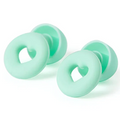
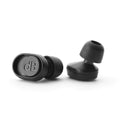
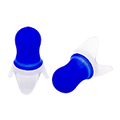
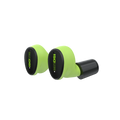
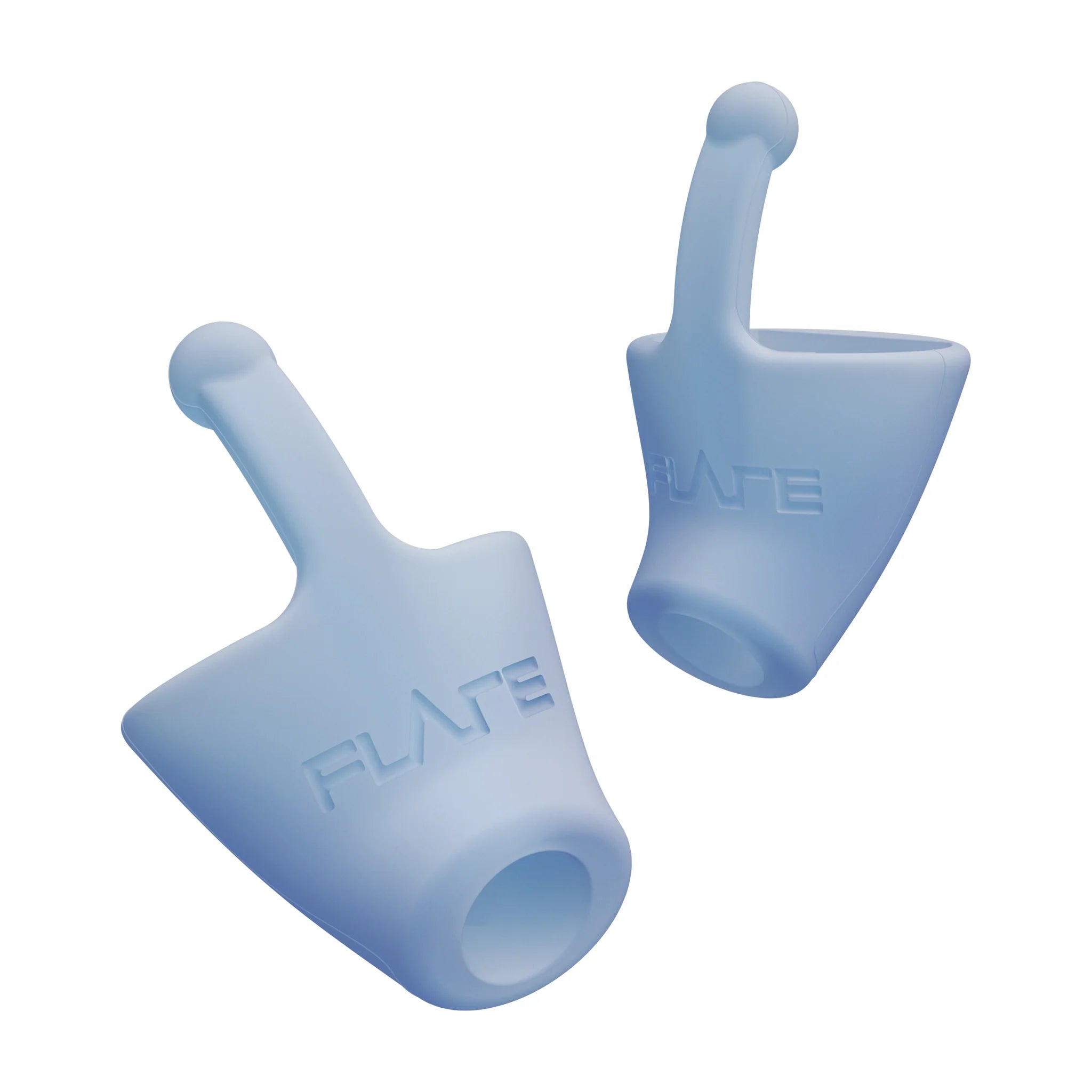
Flare Calmer Kids takes a different approach from conventional hearing protection.
Rather than using traditional sound-blocking materials, Calmer is designed to alter how sound enters the ear.
The aim is to change the perception of certain sounds without substantially reducing overall sound levels.
Why Some Families Choose Flare Calmer Kids
-
Minimal Overall Sound Reduction: Designed for children who don't want to significantly reduce environmental sound.
-
Soft Silicone Construction: A flexible, lightweight in-ear design.
-
Discreet Appearance: Less noticeable than conventional earmuffs.
-
No Batteries or Electronics: A simple, passive product.
-
Designed for Children: Sized for younger users.
How Is Calmer Different From Earplugs?
Traditional earplugs and earmuffs reduce the amount of sound reaching the ears.
Flare Calmer is different. It is designed to modify the acoustic characteristics of sound entering the ear rather than provide substantial noise attenuation.
Some users report finding certain everyday sounds more comfortable when wearing Calmer, although individual experiences vary and independent evidence of its effectiveness for autistic children's sensory difficulties remains limited.
It's important to understand that Flare Calmer is not a substitute for certified hearing protection.
For concerts, fireworks, motorsport or other genuinely loud environments, choose appropriately rated protective earmuffs or earplugs instead.
4. Alpine Muffy Baby — For Babies and Young Toddlers
Best for: Young children who need age-appropriate earmuffs for noisy outings and activities.

Sound sensitivity can become apparent early in childhood.
While autism is often diagnosed later, some parents notice that their baby or toddler responds strongly to particular noises, such as vacuum cleaners, crowded environments or sudden loud sounds.
For very young children, hearing protection needs to be designed specifically for their developing heads.
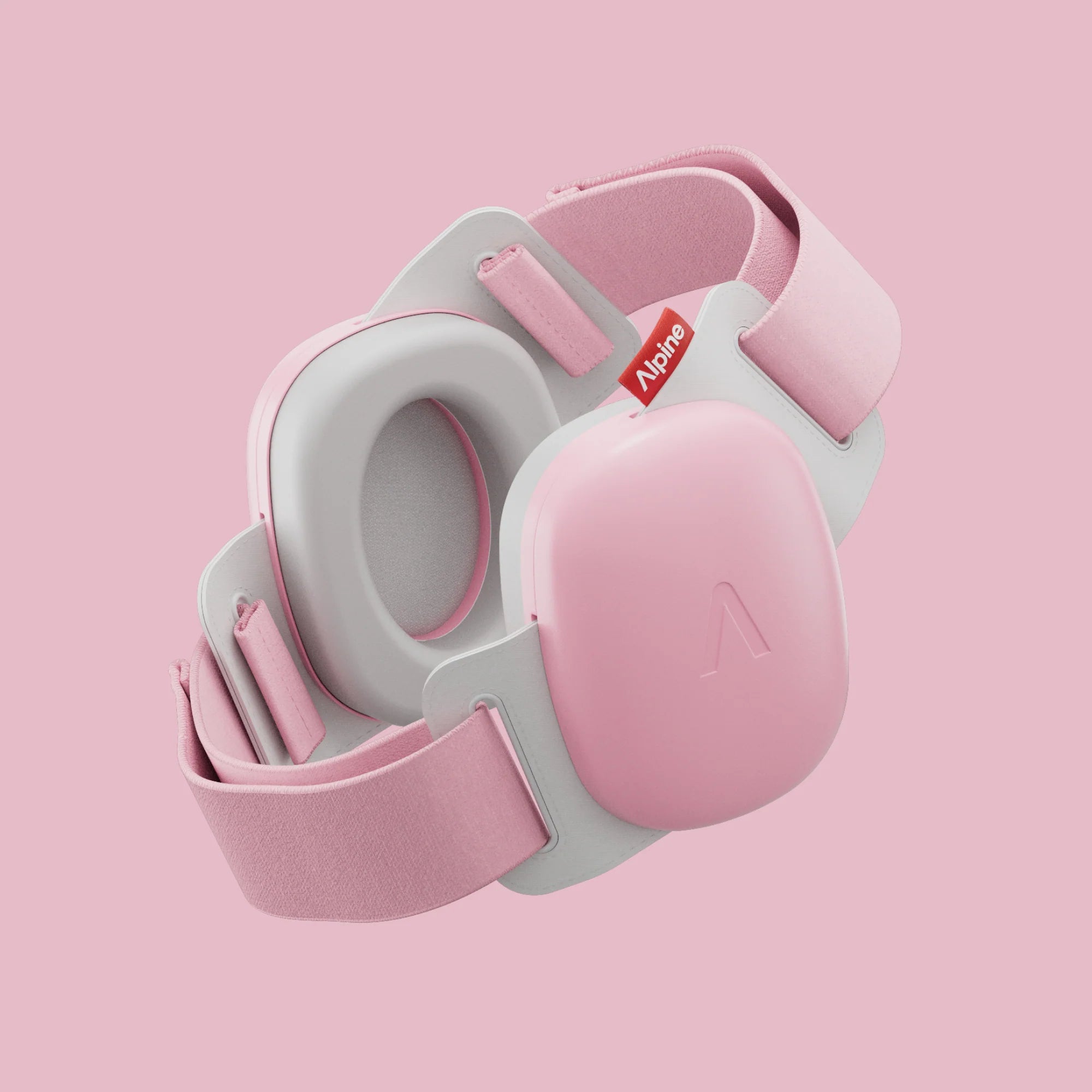
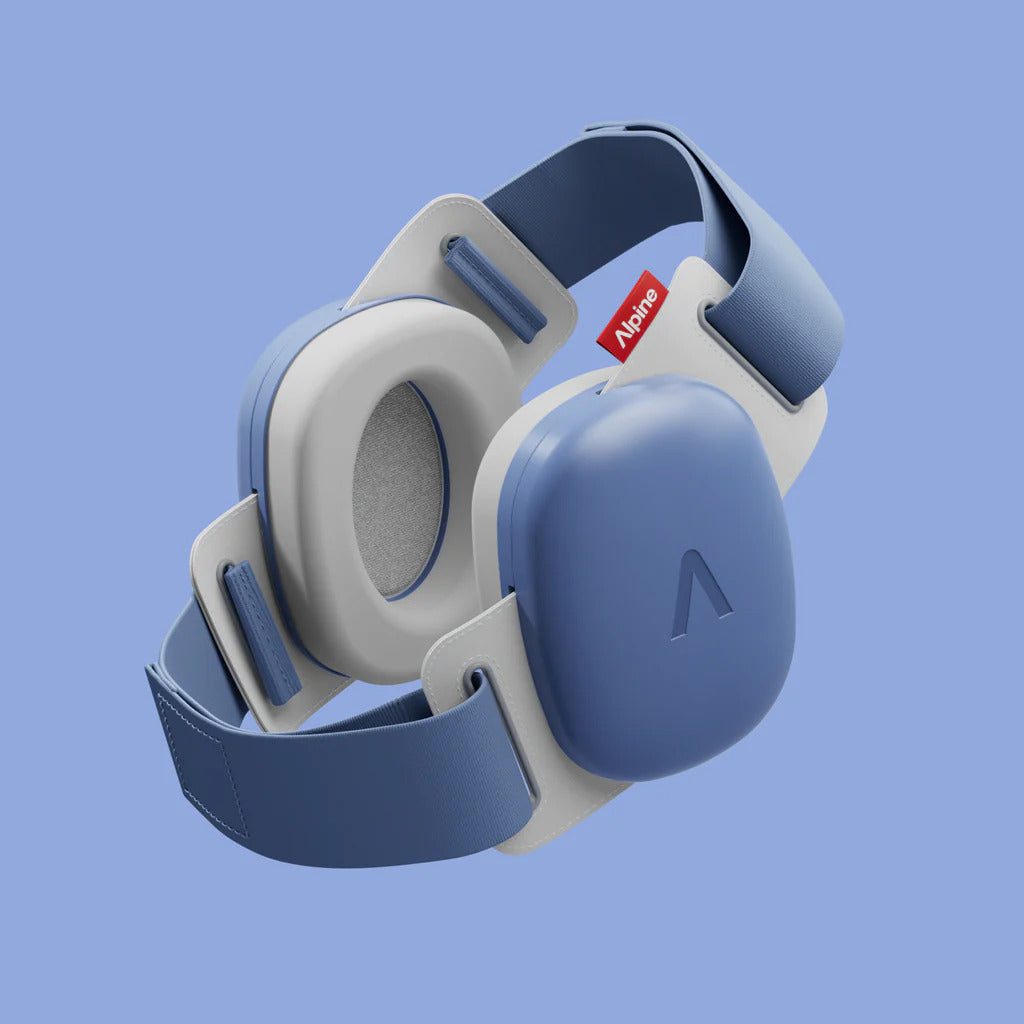
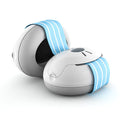
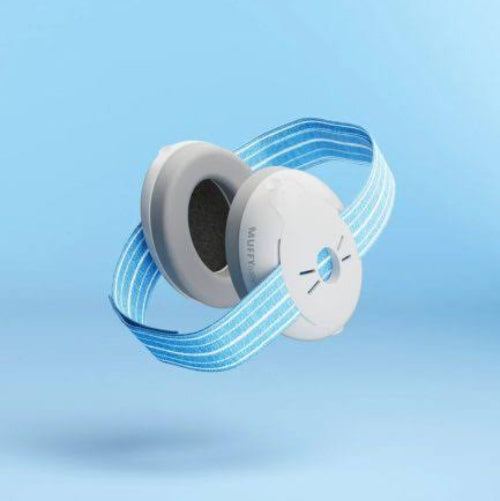
The Alpine Muffy Baby is a purpose-built option featuring a soft, adjustable headband rather than a conventional rigid overhead band.
This helps minimise pressure on sensitive areas while keeping the protective ear cups in place.
Key Features
-
Designed for Babies and Toddlers: Age-appropriate hearing protection.
-
Soft, Adjustable Headband: Designed to avoid unnecessary pressure on sensitive areas of the head.
-
Noise Reduction: Helps reduce exposure to excessive environmental noise.
-
Soft Ear Cushions: Comfortable padding around the ears.
-
Lightweight Construction: Designed with young children in mind.
The Muffy Baby can be useful during noisy family activities, travel and other situations where reducing sound exposure may be helpful.
However, babies and toddlers should always be supervised while wearing hearing protection, and parents should follow the manufacturer's age and fitting instructions.
Earmuffs should also not be treated as a replacement for moving a child away from excessively loud environments.
Honourable Mention: JOEYZ Baby Earmuffs — A Budget-Friendly Option

For families seeking a more affordable alternative, JOEYZ Baby Earmuffs offer a practical option.
Designed for children aged 3 months to 3 years, they feature SNR 22 dB noise reduction, soft ear cushions and an adjustable headband.
They're lightweight, comfortable and available in a range of playful colours.
While the Alpine Muffy Baby uses a specialised soft headband design, JOEYZ Baby Earmuffs offer a more conventional earmuff construction at a budget-friendly price point.
For occasional noisy outings or situations where a young child benefits from reduced background noise, they're worth considering.
5. JOEYZ Soft Kids Headphones — For Children Who Prefer Audio
Best for: Music, audiobooks, travel, movies and children who find familiar audio comforting.

Shop JOEYZ Soft Kids Headphones
Not every child wants silence or reduced environmental noise.
For some autistic children, familiar music, audiobooks or other preferred audio can be a comforting part of their sensory routine.
JOEYZ Soft Kids Headphones offer an alternative for children who want to listen to audio without wearing conventional hard-shell headphones.
They feature a soft fabric headband with built-in speakers, Bluetooth connectivity and playful animal designs.
Key Features
-
Super-Soft Fabric Headband: A comfortable alternative to conventional headphones.
-
Bluetooth Connectivity: Wireless listening from compatible devices.
-
Volume-Limited Audio: Designed to help encourage safer listening habits.
-
Playful Animal Designs: A range of friendly characters.
-
Lightweight Construction: Convenient for everyday use and travel.
Are Audio Headphones Suitable for Sensory Regulation?
For some children, listening to familiar sounds can be a helpful way to manage their sensory environment.
A favourite song or audiobook may provide something predictable to focus on when the surrounding environment feels chaotic.
However, audio headphones and certified hearing protection serve different purposes.
Volume-limited headphones help manage the level of sound played through the speakers. They aren't necessarily designed to protect against loud external noise.
For situations involving potentially harmful sound levels, such as concerts or fireworks, properly fitted hearing protection is the more appropriate choice.
Earmuffs, Earplugs or Calmer: Which Is Best for Your Child?
There's no single solution that works for every autistic child.
The best choice depends on the type of sounds your child finds difficult, their age and their individual sensory preferences.
| Product | Best suited to |
|---|---|
| JOEYZ Kids Earmuffs | Children aged 5–16 who want substantial noise reduction without in-ear devices |
| Alpine Pluggies | Children who prefer discreet, filtered earplugs |
| Flare Calmer Kids | Children who want to experiment with changing how everyday sounds are perceived |
| Alpine Muffy Baby | Babies and young toddlers who need purpose-built hearing protection |
| JOEYZ Baby Earmuffs | Families seeking budget-friendly baby hearing protection |
| JOEYZ Soft Headphones | Children who prefer listening to familiar music or audio |
One important consideration is that more noise reduction isn't always better.
Some children may find heavily attenuated sound comforting, while others may feel disconnected or uncomfortable when environmental sounds become too quiet.
The goal is to find a balance that helps your child feel comfortable while maintaining the awareness and communication they need.
Can Children Wear Ear Defenders at School?
Yes. Ear defenders are commonly used as a sensory support tool in educational settings.
For some autistic children, classrooms can be particularly challenging because they combine numerous sources of sound: conversations, movement, furniture, announcements and sudden noises.
Having access to earmuffs can help some children manage these environments more comfortably.
Common situations where hearing protection may be useful include school assemblies, group activities, busy transitions, lunch breaks and other particularly noisy periods.
However, it's important to consider how hearing protection might affect communication.
Earmuffs can make speech harder to hear, particularly when teachers are speaking from a distance.
A practical approach is to work with your child's teachers and support team to identify when hearing protection is most helpful and when it may be better to use other strategies.
Some children benefit from keeping earmuffs in their school bag so they can access them when needed, rather than wearing them continuously.
Should Autistic Children Wear Hearing Protection All Day?
Not necessarily.
Although hearing protection can be extremely helpful in noisy environments, wearing it continuously in ordinary, safe listening environments isn't always recommended.
Excessive sound avoidance may increase sensitivity to everyday sounds for some people, and prolonged use can make communication and environmental awareness more difficult.
Instead, hearing protection is often most useful as one part of a broader sensory support strategy.
This might include:
-
Providing access to a quiet space when needed.
-
Allowing children to use earmuffs during particularly noisy activities.
-
Preparing children for predictable loud sounds, such as school bells.
-
Offering choices about where to sit during assemblies or events.
-
Working with teachers, occupational therapists or audiologists to develop individualised strategies.
The aim isn't to eliminate every sound from a child's environment. It's to help them feel safe, comfortable and able to participate in ways that work for them.
Can You Purchase Sensory Hearing Protection Through the NDIS?
Depending on your child's individual circumstances, hearing protection and sensory support products may be eligible for purchase using NDIS funding.
Eligibility depends on the participant's plan, the purpose of the item and current NDIS funding rules.
At Earjobs, we can prepare invoices for customers using plan-managed NDIS arrangements.
Simply email support@earjobs.com.au with the products you're interested in, and our team can assist.
We recommend confirming eligibility with your plan manager before purchasing, as an invoice doesn't guarantee that an item will be funded.
Final Thoughts: Finding the Right Hearing Protection for Your Child
For many autistic children, sound sensitivity can make ordinary environments feel unpredictable or overwhelming.
The right hearing protection can be a useful tool for reducing discomfort and giving children greater control over their sensory environment.
For older children, JOEYZ Kids Earmuffs offer certified noise reduction with a focus on comfort and adjustable sizing.
For children who prefer something smaller, Alpine Pluggies provide an in-ear alternative, while Flare Calmer Kids takes a different approach to managing the perception of everyday sounds.
For babies and toddlers, Alpine Muffy Baby and JOEYZ Baby Earmuffs offer age-appropriate options, while JOEYZ Soft Kids Headphones are worth considering for children who prefer familiar audio.
Most importantly, remember that every autistic child experiences sound differently.
What works beautifully for one child may not suit another, and preferences can change over time.
By listening to your child's needs, experimenting with different options and working with their support network, you can help them find practical ways to navigate a noisy world with greater comfort and confidence.