


























The Best Kids & Baby Earmuffs: A Parent's Guide to Children's Hearing Protection
From their first music festival to a family day at the footy, childhood is full of exciting, noisy experiences. But while adults often think about protecting their own hearing at concerts, worksites or when using power tools, it's easy to overlook the importance of hearing protection for children.
Children's hearing deserves particular care. Exposure to excessive noise can cause permanent damage at any age, and young children may not recognise when an environment is dangerously loud or know when to move somewhere quieter.
It's not just concerts and fireworks worth thinking about, either. Sporting events, cinemas, motorsport and even some everyday activities can expose children to surprisingly high noise levels.
And hearing protection isn't always about preventing hearing damage. For children who experience sensory sensitivities, including some autistic and neurodivergent children, reducing background noise can make busy classrooms, shopping centres and family gatherings more comfortable.
Fortunately, there's a growing range of hearing protection designed specifically for children, from babies and toddlers to teenagers.
In this guide, we'll explore some of our favourite kids' and baby earmuffs, explain what to look for when choosing hearing protection and answer some common questions about keeping children's ears safe.
What to Look for in Kids' Hearing Protection
Not all earmuffs are created equal, and choosing the right pair involves more than simply finding something that fits over your child's ears.
Here are a few important things to consider.
-
Age-appropriate design: Babies, toddlers and older children have very different needs. Always choose hearing protection designed for your child's age and head size.
-
Certified noise reduction: Look for independently tested hearing protection with a clearly stated noise reduction rating, such as SNR (Single Number Rating).
-
Comfortable cushioning: Soft ear cushions and a padded headband can make a significant difference, particularly if your child needs to wear earmuffs for an extended period.
-
Adjustable sizing: Children grow quickly. Adjustable earmuffs allow for a more personalised fit and can remain useful as your child gets older.
-
A proper seal: Earmuffs need to fit securely around the ears without gaps. Glasses, hats and hair can interfere with the seal and reduce their effectiveness.
-
Durability and portability: Kids can be tough on their belongings, so quality materials and a convenient carry bag are always worth considering.
Perhaps most importantly, choose earmuffs your child is comfortable wearing. Even the highest-rated hearing protection won't be particularly useful if your child refuses to keep it on!
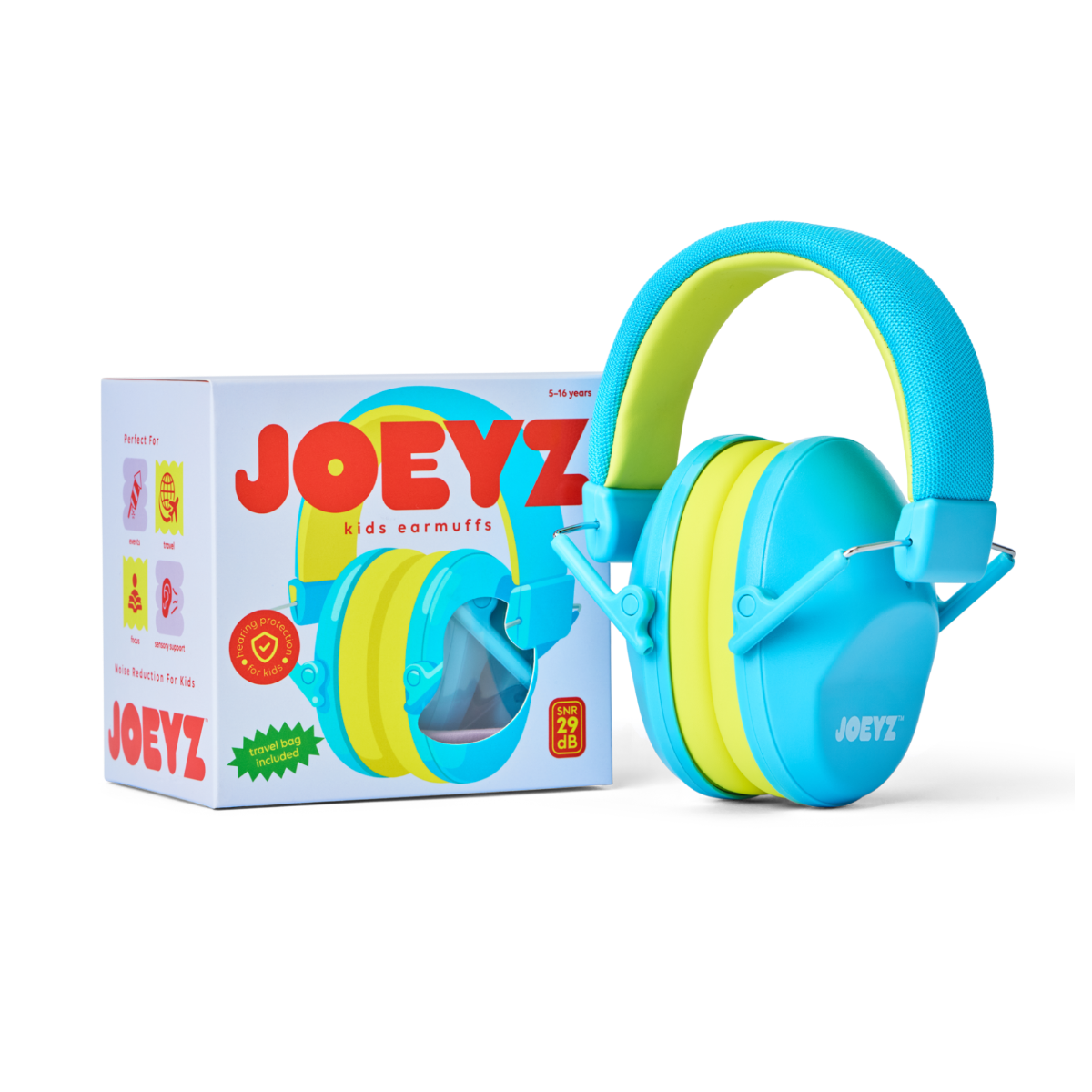
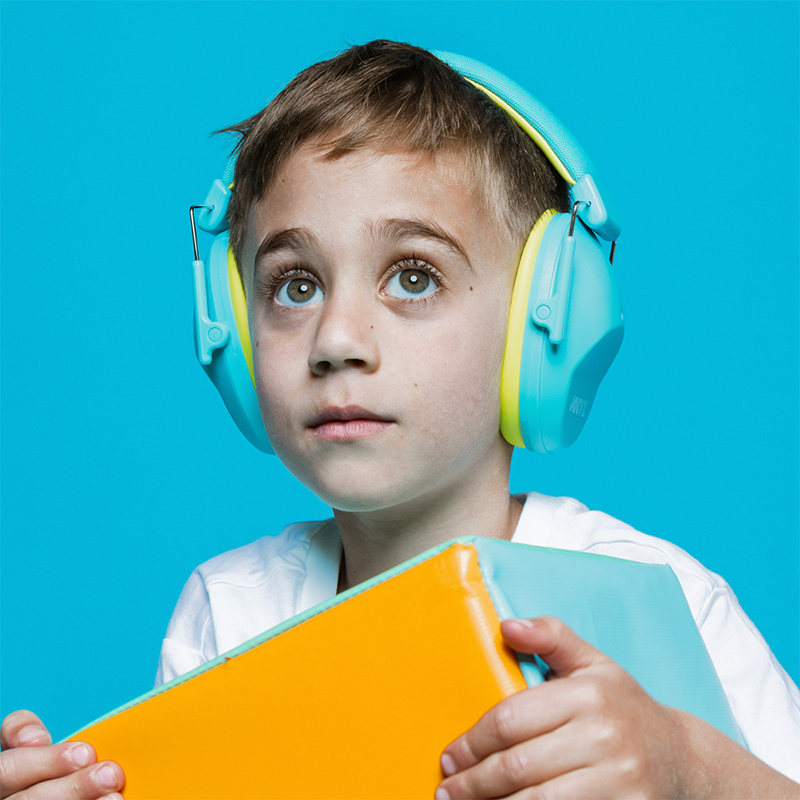
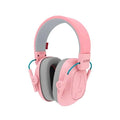
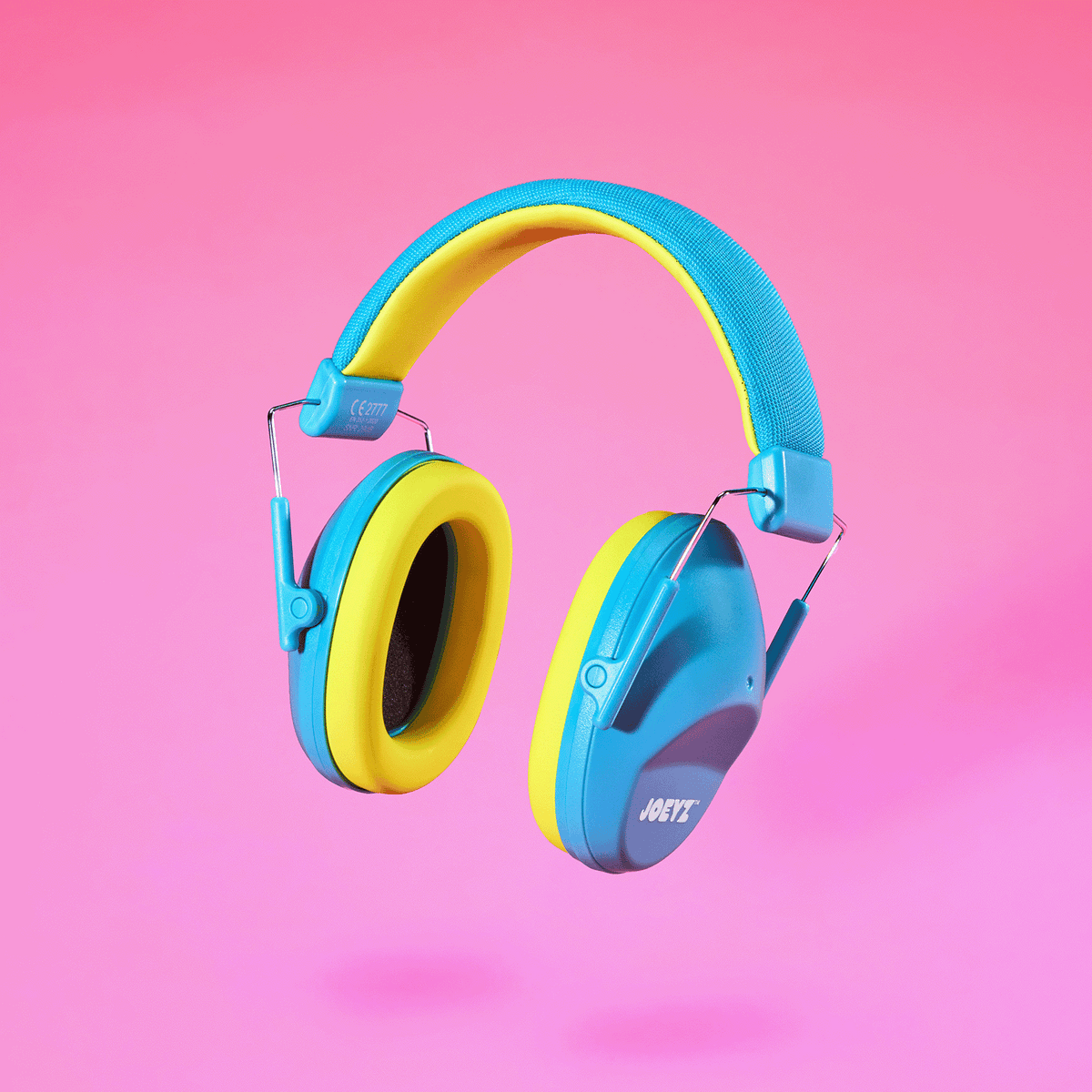
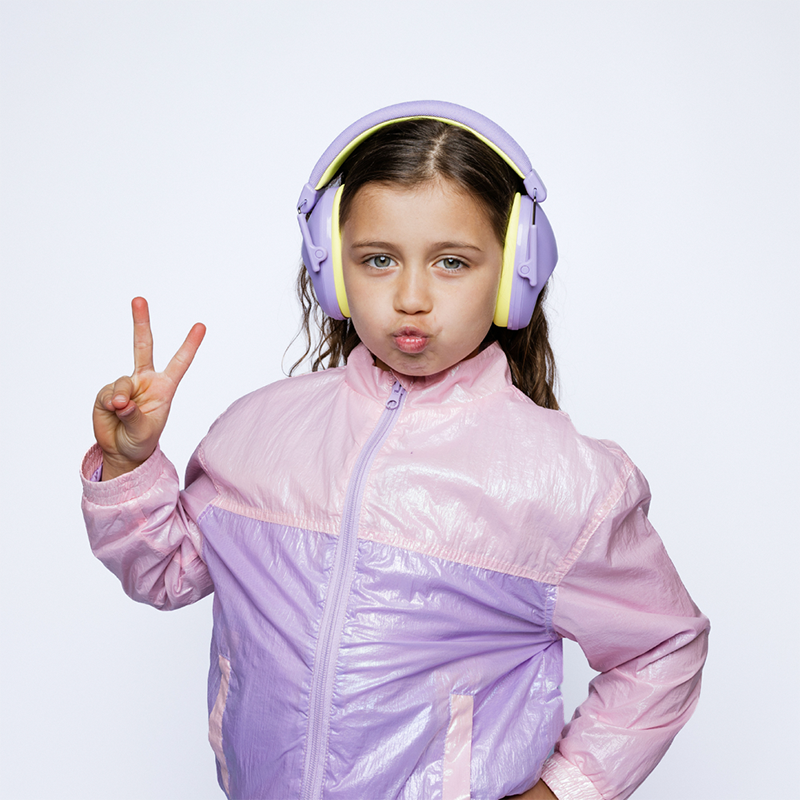
1. JOEYZ Kids Earmuffs — For Children Aged 5–16

Best for: Concerts, festivals, sporting events, sensory sensitivities, school and everyday noise reduction.
For older children, a good pair of earmuffs needs to strike a balance between effective noise reduction, comfort and durability.
JOEYZ Kids Earmuffs were developed by the team at Earjobs, drawing on more than a decade of experience helping Australians find the right hearing protection.
Designed for children aged 5–16, they offer certified SNR 29 dB noise reduction, making them a versatile option for a wide range of noisy environments.
They're particularly well suited to concerts, music festivals, sporting events, fireworks displays and motorsport, where sound levels can become uncomfortable or potentially harmful.
But they're also useful in less extreme environments.
For children who experience sensory sensitivities, everyday sounds can sometimes feel overwhelming. The overlapping conversations of a busy classroom, the noise of a shopping centre or the excitement of a family gathering can create an uncomfortable listening environment.
By reducing the intensity of surrounding sounds, JOEYZ earmuffs may help make these situations more manageable.
Key Features
-
Certified SNR 29 dB Hearing Protection: Independently tested noise reduction to help protect against excessive sound exposure.
-
Designed for Ages 5–16: Adjustable sizing accommodates a wide range of head sizes.
-
Cloud-Soft Ear Cushions: Exceptionally soft padding designed for comfortable wear.
-
Padded, Adjustable Headband: Helps achieve a secure and comfortable fit.
-
Premium Materials: Durable, impact-resistant ear cups built for everyday use.
-
Sensory-Friendly Comfort: Helps reduce distracting and overwhelming background noise.
-
Lightweight Construction: Comfortable without unnecessary bulk.
-
Playful Colours: A range of colours designed to appeal to children of different ages.
-
Free Carry Bag: Included for convenient storage and transport.

Can JOEYZ Earmuffs Help With Sensory Overload?
For some children, yes.
Although earmuffs are primarily designed as hearing protection, they can also be useful for children who are sensitive to everyday sounds.
This includes some children with autism, ADHD or sensory processing differences, who may experience certain environments as particularly loud, distracting or distressing.
Importantly, earmuffs don't completely block out sound. Children can still hear many voices and environmental sounds, but at a reduced volume.
Unlike electronic noise-cancelling headphones, passive earmuffs don't require batteries or play audio. This makes them a straightforward option when the goal is simply to reduce noise without introducing additional stimulation.
Every child's sensory needs are different, however, and some may prefer other approaches or find earmuffs uncomfortable. It's worth experimenting with different situations and letting your child help determine when hearing protection is useful.
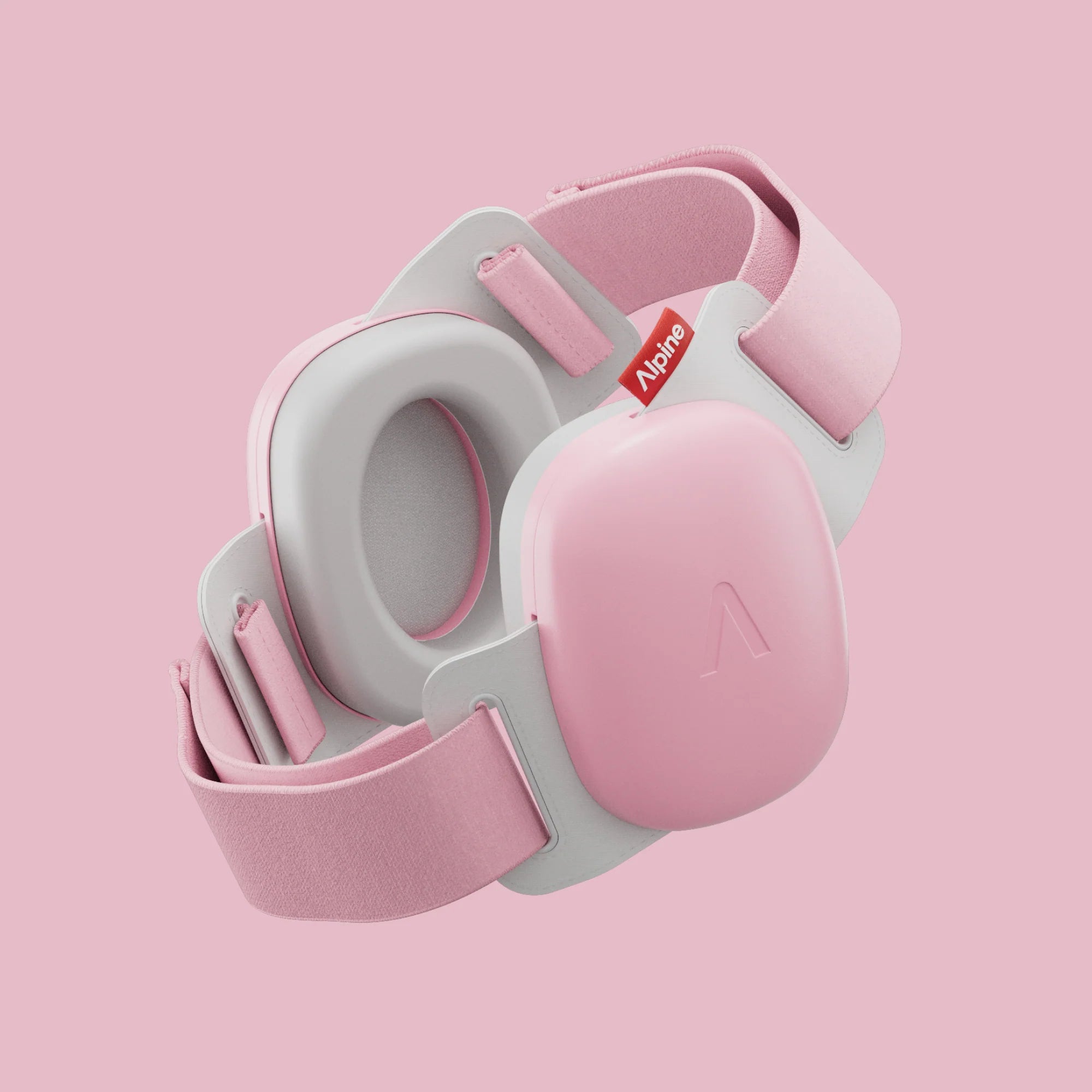
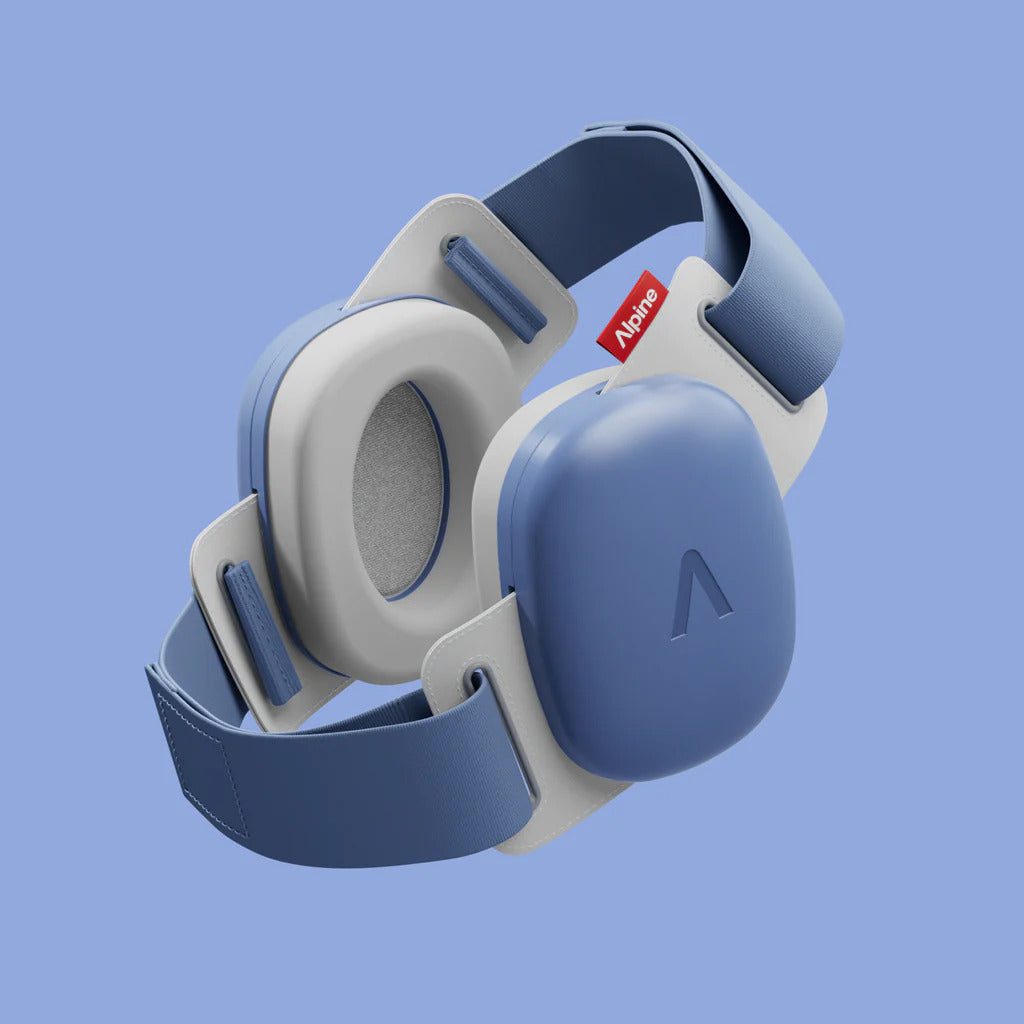
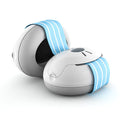
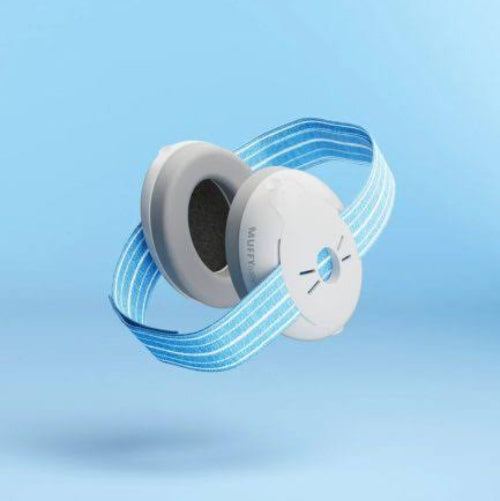
2. Alpine Muffy Baby — Hearing Protection for Babies and Toddlers
Best for: Babies and toddlers attending sporting events, festivals, family celebrations and other noisy environments.
Babies need hearing protection designed specifically for their smaller, developing heads.
Traditional children's earmuffs aren't always suitable for infants, particularly when they use rigid headbands that can place unwanted pressure on sensitive areas.
The Alpine Muffy Baby takes a different approach.
Developed by hearing protection specialist Alpine, these earmuffs use a soft, adjustable headband rather than a conventional rigid overhead band.
The design helps distribute pressure more comfortably while keeping the protective ear cups in position.
They're a practical option for parents who want to bring their baby along to family activities without exposing them unnecessarily to excessive noise.
Key Features
-
Baby-Specific Design: Created with the needs of babies and toddlers in mind.
-
Soft, Adjustable Headband: Designed to minimise pressure on sensitive areas of the head.
-
Effective Noise Reduction: Helps reduce exposure to potentially harmful noise.
-
Soft Ear Cushions: Designed to sit comfortably around little ears.
-
Lightweight Construction: Suitable for young wearers when correctly fitted.
-
Practical for Family Outings: Useful for sporting events, festivals and other noisy activities.

When Should Babies Wear Hearing Protection?
Babies may benefit from hearing protection in environments where sound levels are high, including concerts, fireworks displays, motorsport events and loud sporting matches.
However, earmuffs shouldn't be treated as permission to expose babies to extremely loud environments for extended periods.
The safest approach is always to minimise exposure in the first place.
Keep a reasonable distance from speakers and other noise sources, take regular breaks in quieter areas and pay attention to signs that your baby may be uncomfortable or distressed.
Always follow the manufacturer's age and fitting recommendations, supervise babies while wearing earmuffs and avoid using them during sleep.
Honourable Mention: JOEYZ Baby Earmuffs — A Budget-Friendly Alternative

For parents looking for a more affordable option, JOEYZ Baby Earmuffs are worth considering.
Designed for babies and toddlers aged 3 months to 3 years, they offer SNR 22 dB noise reduction in a lightweight, comfortable design.
Soft ear cushions and an adjustable headband help provide a secure fit, while the colourful designs make them a practical choice for family outings.
They're particularly useful for occasional visits to noisy environments, such as sporting events, outdoor festivals and family celebrations.
While the Alpine Muffy Baby offers a different headband design specifically developed for infants, JOEYZ Baby Earmuffs provide an accessible alternative for parents seeking dependable hearing protection at a lower price point.
As always, the most important consideration is choosing an age-appropriate product that fits your child correctly and comfortably.

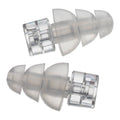
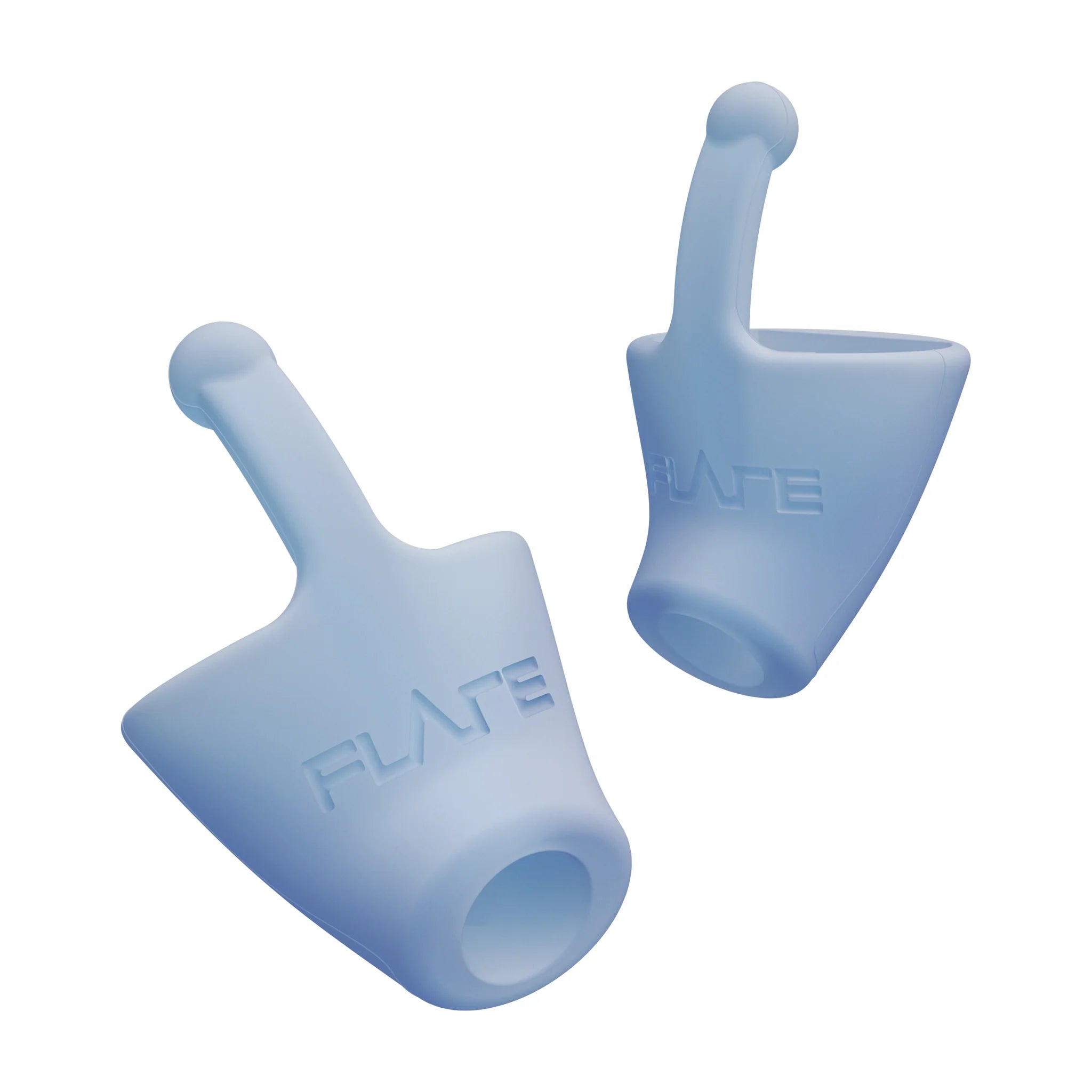
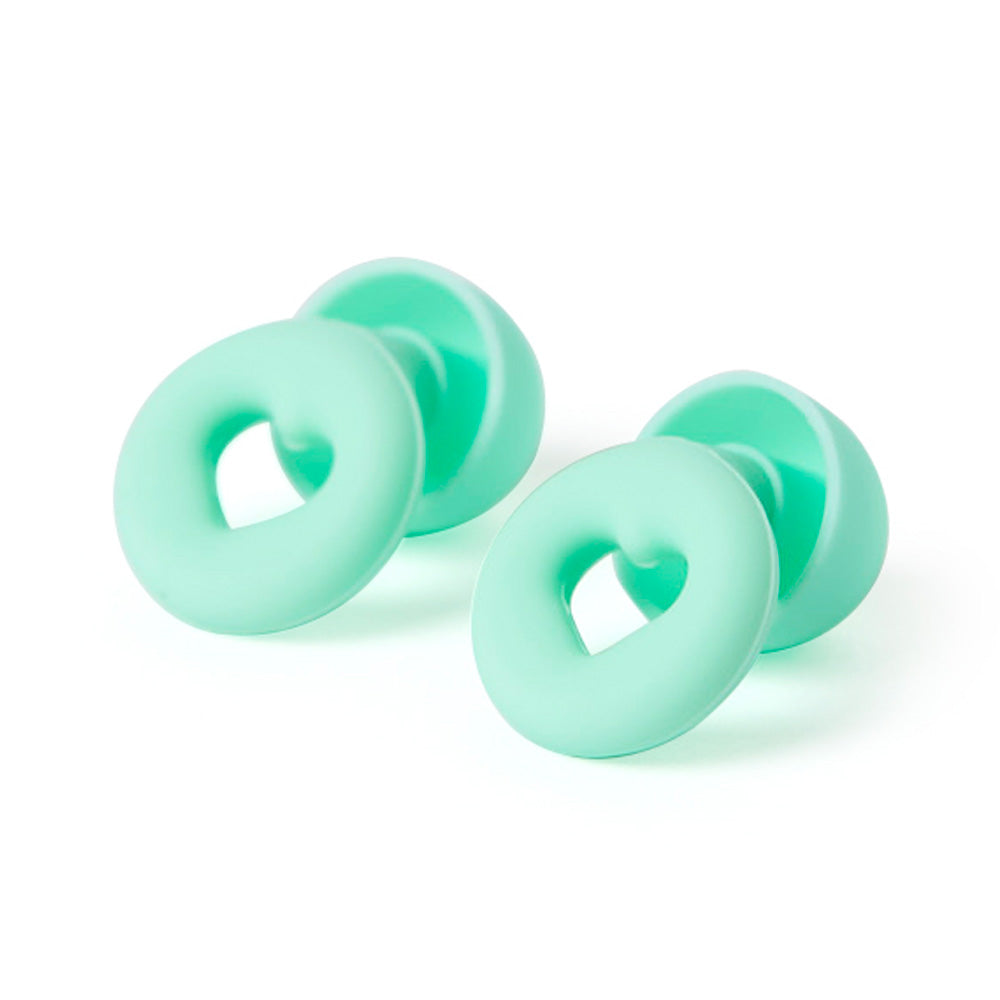
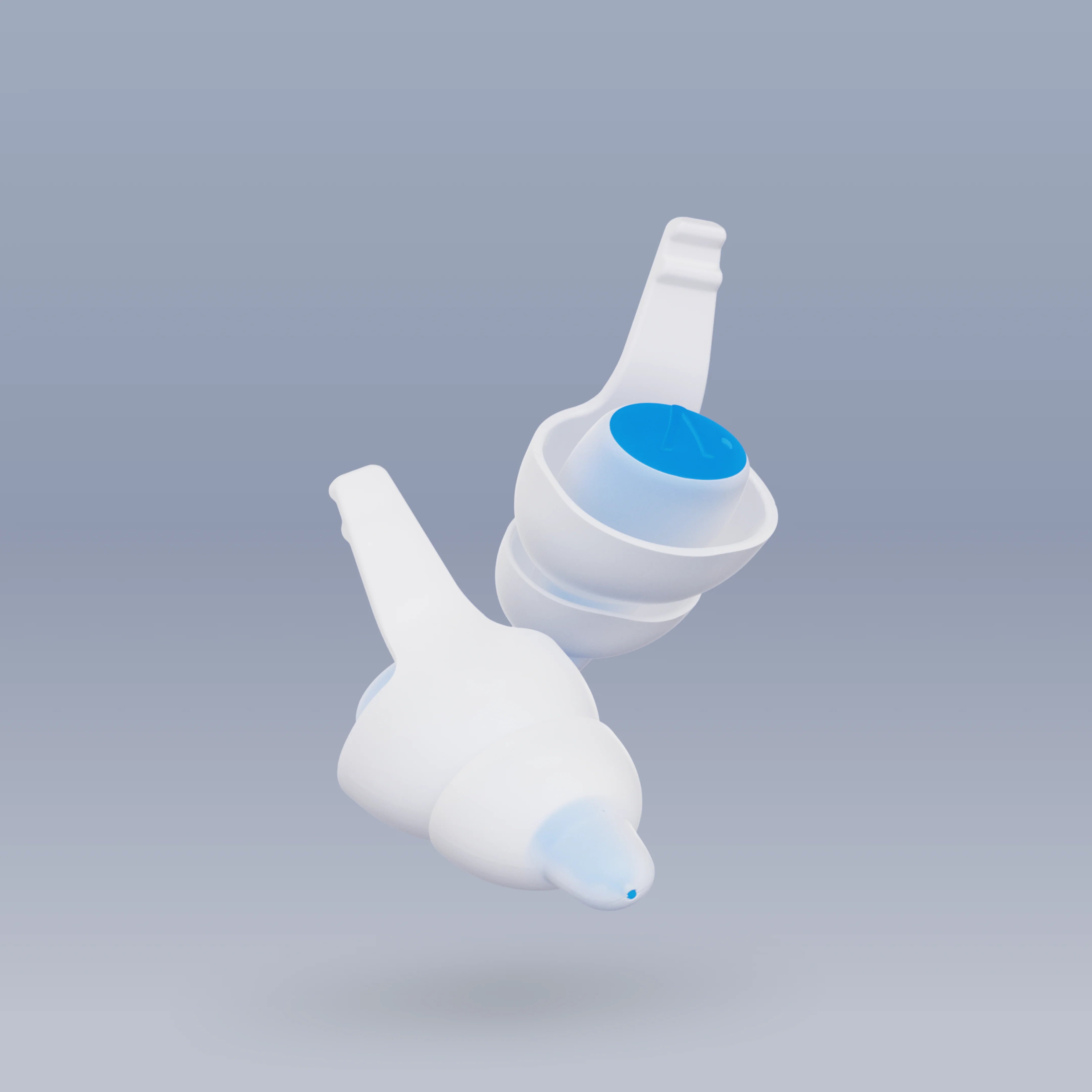
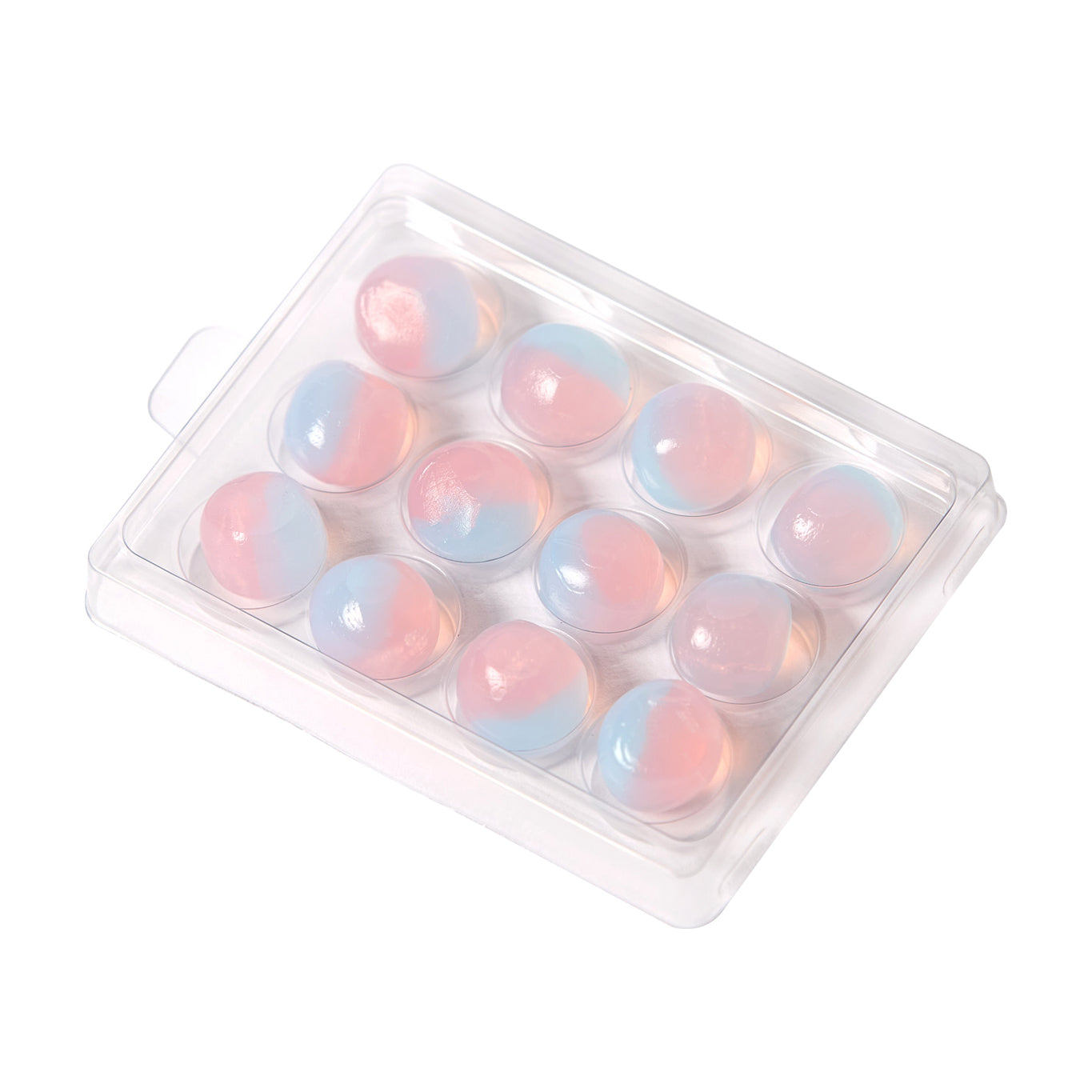
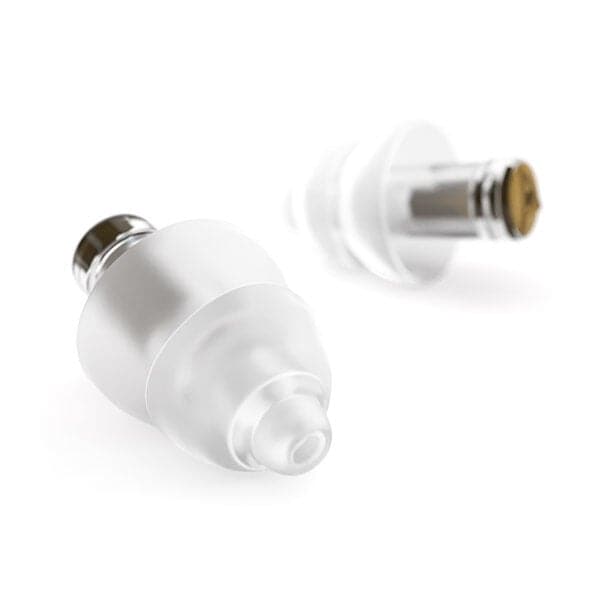
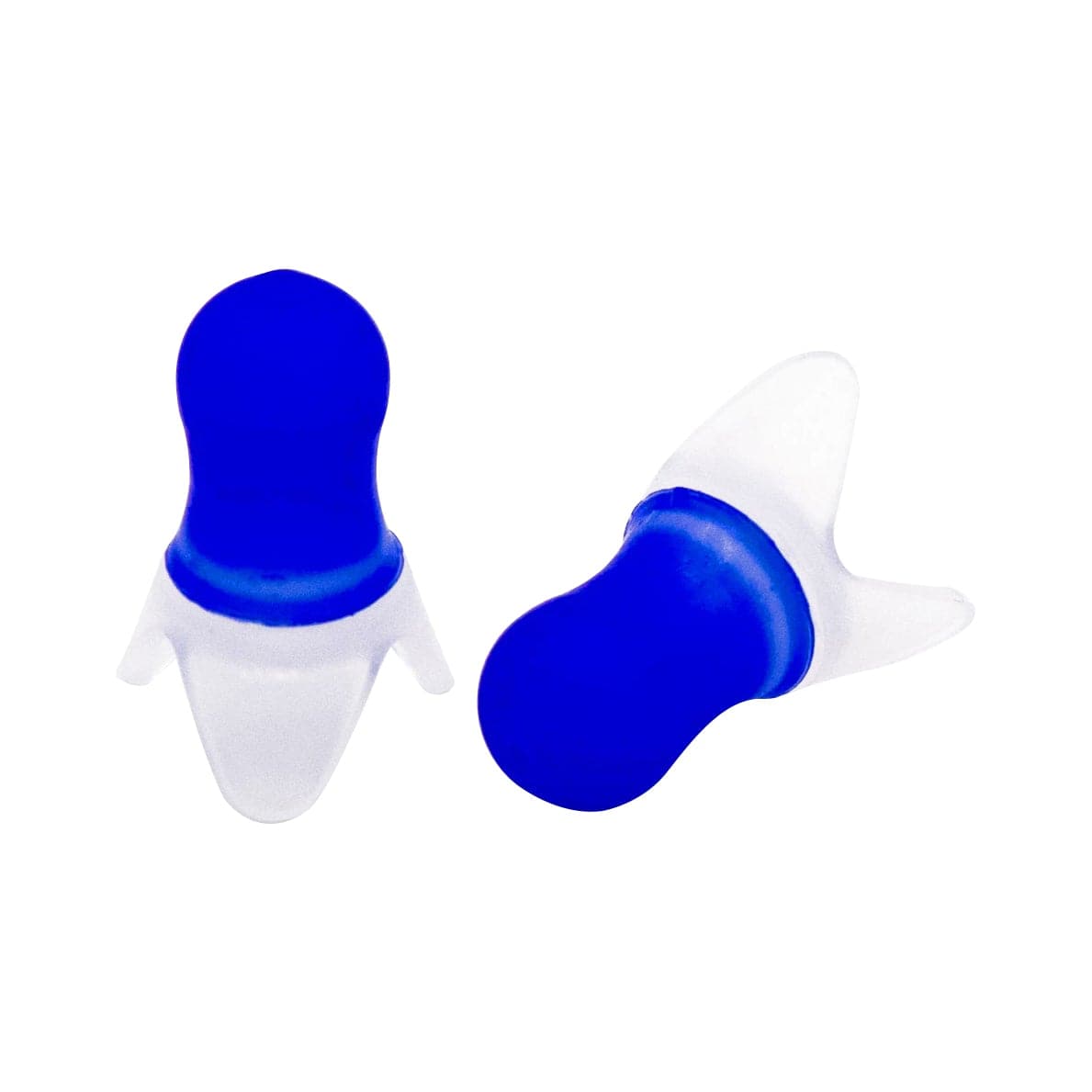
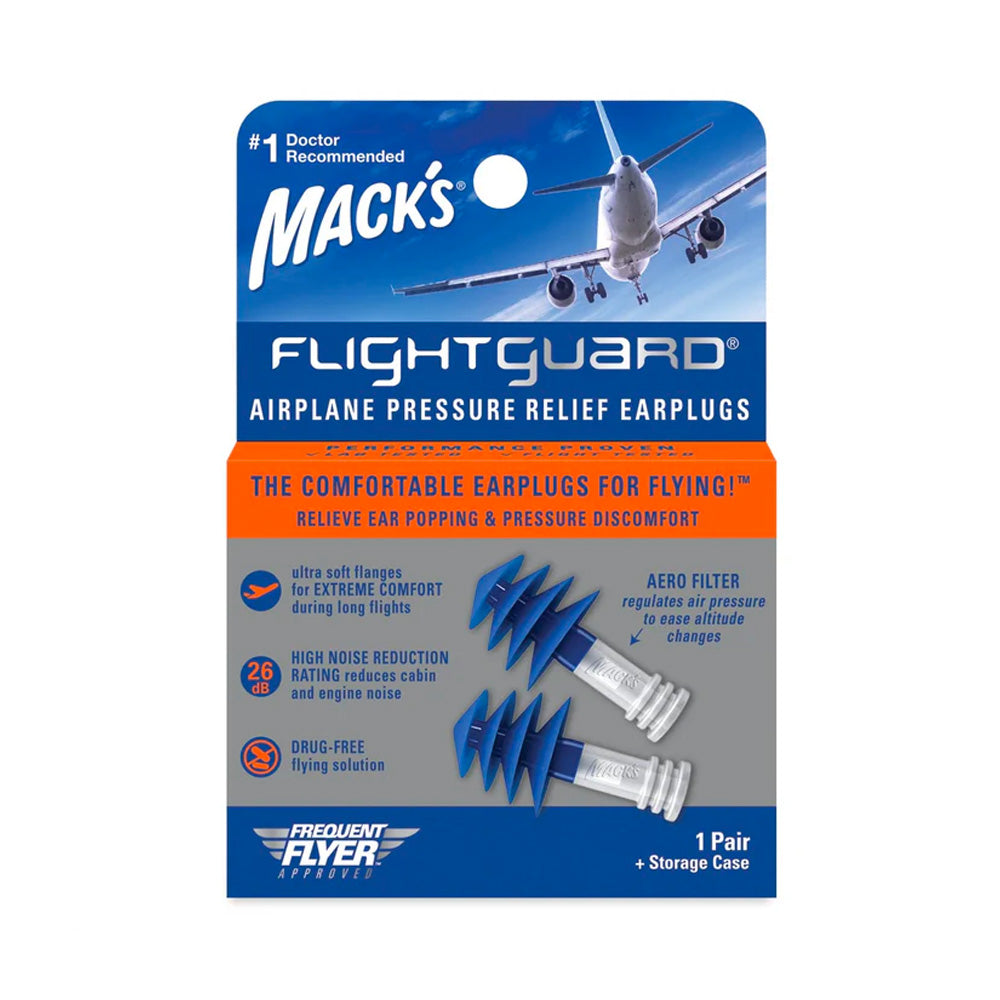
3. Alpine Pluggies Kids Earplugs — An Alternative to Earmuffs
Best for: Children who prefer earplugs, swimming, travel and reducing everyday noise.

Shop Alpine Pluggies Kids Earplugs
Not every child enjoys wearing earmuffs.
Some find the pressure of an over-ear design uncomfortable, while others simply prefer something smaller and less noticeable.
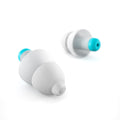
For these children, Alpine Pluggies Kids Earplugs are another option.
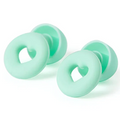
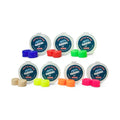
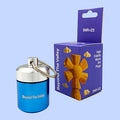
Designed for children aged approximately 3–12 years, these reusable earplugs offer a compact alternative to traditional earmuffs.
They're particularly versatile because they can be used for different purposes, including reducing noise exposure and helping keep water out of the ears during swimming lessons.
Key Features
-
Designed for Children: Sized for smaller ear canals.
-
Reusable Construction: A practical alternative to disposable earplugs.
-
Multi-Purpose Design: Suitable for noise reduction and water protection.
-
Compact and Portable: Easy to carry in a school bag or pocket.
-
Discreet Fit: Less noticeable than conventional earmuffs.
Are Earplugs or Earmuffs Better for Children?
Both can provide effective hearing protection when correctly selected and fitted.
However, earmuffs are generally easier for parents to fit and check, particularly for younger children.
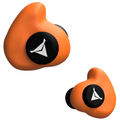
Earplugs need to sit correctly inside the ear canal, which can be more difficult for children to manage independently. Poorly fitted earplugs may provide considerably less protection than expected.
For particularly loud environments, appropriately fitted earplugs and earmuffs can sometimes be worn together for additional protection.
Just remember that their noise reduction ratings cannot simply be added together.
4. JOEYZ Soft Kids Headphones — For Children Who Want to Listen to Audio
Best for: Music, audiobooks, movies, travel and everyday listening.

Shop JOEYZ Soft Kids Headphones
Sometimes, reducing background noise isn't the only goal.
Children might want to listen to their favourite music, watch a movie during a flight or relax with an audiobook on a long car journey.
For these situations, JOEYZ Soft Kids Headphones offer a different kind of listening experience.
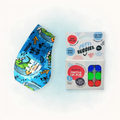
Unlike conventional hard-shell headphones, these use a soft fabric headband with built-in speakers, creating a comfortable, lightweight design.
They also feature playful animal designs, making them particularly appealing to younger children.
Key Features
-
Super-Soft Fabric Headband: A comfortable alternative to conventional headphones.
-
Bluetooth Connectivity: Wireless listening for compatible devices.
-
Volume-Limited Audio: Designed to help encourage safer listening habits.
-
Fun Animal Designs: A range of playful characters for younger children.
-
Lightweight and Portable: Convenient for travel and everyday use.
Are Volume-Limited Headphones the Same as Hearing Protection?
No, and it's an important distinction.
Volume-limited headphones are designed to help manage the sound level of audio played through the headphones themselves.
They aren't necessarily designed to protect children from loud external sounds.
Certified hearing protection, on the other hand, is specifically tested to reduce the amount of environmental noise reaching the ears.
For concerts, fireworks, motorsport and other genuinely loud environments, properly fitted protective earmuffs are the more appropriate choice.
For listening to music, watching videos or enjoying audiobooks, volume-limited headphones can be a useful option, provided children listen at sensible volumes and take regular breaks.
Why Is Hearing Protection So Important for Children?
Hearing damage caused by excessive noise can occur at any age, and its effects are often permanent.
Inside the inner ear are thousands of delicate sensory hair cells responsible for converting sound vibrations into electrical signals that the brain interprets as hearing.
Exposure to excessively loud noise can damage these cells.
Unlike many other cells in the body, the sensory hair cells in the human inner ear do not naturally regenerate once destroyed.
This means noise-induced hearing loss is generally irreversible.
For children, preventing this damage is particularly important because they have a lifetime of listening ahead of them.
How Loud Is Too Loud?
The risk of hearing damage depends on two main factors: the intensity of the sound and the duration of exposure.
The louder the sound, the less time it takes for exposure to become potentially harmful.
As a general guide, repeated or prolonged exposure to noise around 85 decibels or above can increase the risk of hearing damage. Very loud sounds can cause harm much more quickly.
Here are some approximate examples of sound levels children might encounter:
| Environment | Approximate Noise Level |
|---|---|
| Normal conversation | 60 dB |
| Busy traffic | 70–85 dB |
| Loud cinema | 80–100 dB |
| Sporting event | 85–105 dB |
| Live music concert | 95–110 dB |
| Fireworks at close range | 120 dB or higher |
These figures are illustrative. Actual sound levels vary considerably depending on the venue, distance from the source and other factors.
One useful rule of thumb: if you need to raise your voice significantly to speak to someone standing nearby, the environment may be loud enough to warrant hearing protection.
For babies and younger children, it's sensible to take an especially cautious approach.
What Does SNR Mean on Kids' Earmuffs?
When comparing hearing protection, you'll often see a rating expressed as SNR, or Single Number Rating.
This is a standardised measure used to describe the noise reduction performance of hearing protection under laboratory test conditions.
For example:
-
JOEYZ Kids Earmuffs have an SNR rating of 29 dB.
-
JOEYZ Baby Earmuffs have an SNR rating of 22 dB.
A higher SNR generally indicates greater tested noise reduction, but it doesn't necessarily mean a product is better for every child or situation.
Comfort, fit and the type of noise exposure all matter.
It's also important to understand that an SNR 29 dB rating doesn't guarantee that every sound reaching your child's ears will be reduced by exactly 29 decibels.
Real-world protection depends on factors such as the fit of the earmuffs, the frequencies of the noise and whether anything interferes with the seal around the ears.
A properly fitted pair of comfortable earmuffs will generally be more useful than a higher-rated pair that your child can't wear correctly.
Can Hearing Protection Help With Autism and Sensory Sensitivities?
For some children, the benefit of earmuffs extends beyond protection from potentially damaging noise.
Children with autism, ADHD or sensory processing differences may experience certain sounds as unusually intense, distracting or uncomfortable.
These sounds aren't necessarily loud enough to cause hearing damage.
A classroom full of conversations, the hum of a shopping centre or the clatter of dishes in a busy restaurant might be perfectly tolerable for one child but overwhelming for another.
By reducing the intensity of surrounding noise, earmuffs may help some children feel more comfortable in these environments.
They can also be useful during particularly noisy activities, such as school assemblies, birthday parties or public transport journeys.
However, every child's needs are different.
Some children benefit from wearing earmuffs occasionally, while others prefer them during specific activities. Some may find the physical sensation of earmuffs uncomfortable.
It's worth allowing children to participate in choosing their hearing protection and deciding when to use it.
For children experiencing significant sound sensitivity, an audiologist or occupational therapist may also be able to provide individualised guidance. Constantly reducing everyday sound isn't always desirable, so it's helpful to balance comfort with opportunities to tolerate ordinary listening environments.
How to Fit Kids' Earmuffs Correctly
Even the best earmuffs won't provide their intended protection if they aren't fitted properly.
Fortunately, achieving a good fit is relatively straightforward.
-
Adjust the headband: Extend or retract the headband until the ear cups sit comfortably over your child's ears.
-
Cover both ears completely: The cushions should surround the ears rather than pressing directly onto them.
-
Check the seal: Make sure the cushions sit evenly against the head without noticeable gaps.
-
Move hair out of the way: Thick hair, hats and glasses can interfere with the seal.
-
Check comfort: The earmuffs should feel secure without causing excessive pressure or discomfort.
-
Recheck regularly: Children move around, and earmuffs can shift during play or activity.
For babies, always follow the specific fitting instructions supplied with the product.
Final Thoughts: Choosing the Right Hearing Protection for Your Child
The right hearing protection depends on your child's age, the environments they'll be using it in and their individual comfort preferences.
For children aged 5–16, JOEYZ Kids Earmuffs provide certified hearing protection with a focus on comfort, durability and adjustable sizing.
For babies and toddlers, the Alpine Muffy Baby offers a purpose-built design, while JOEYZ Baby Earmuffs provide a more budget-friendly alternative.
Children who prefer a smaller option may benefit from Alpine Pluggies, while those looking to listen to music or audiobooks can consider JOEYZ Soft Kids Headphones, remembering that audio headphones aren't a substitute for certified hearing protection.
Ultimately, the most important thing is to make hearing protection a normal part of preparing for noisy activities.
Just as we encourage children to wear sunscreen outdoors or helmets when riding a bike, protecting their hearing is a simple habit that can make a meaningful difference over a lifetime.
With the right protection, children can continue enjoying the experiences they love while reducing the risk of preventable hearing damage.