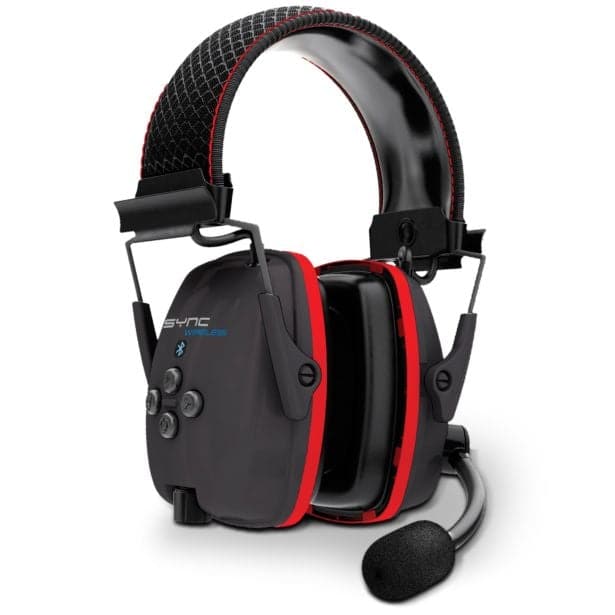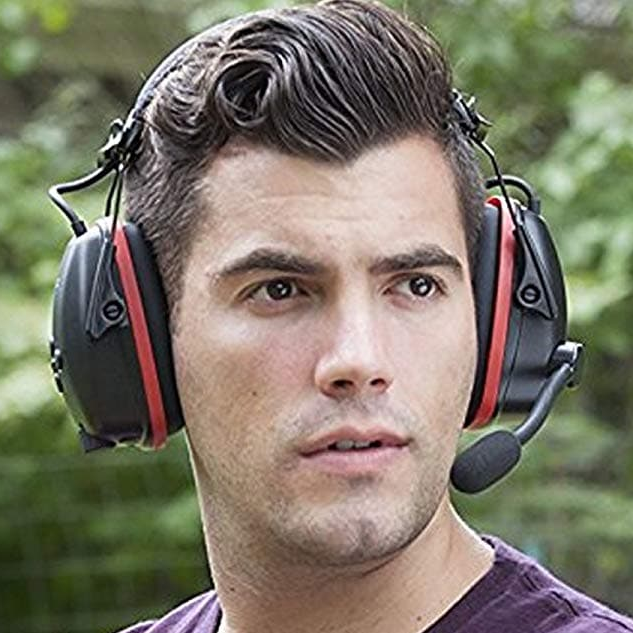













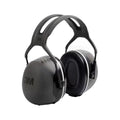



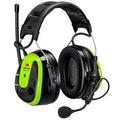
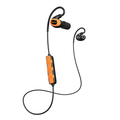








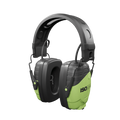





















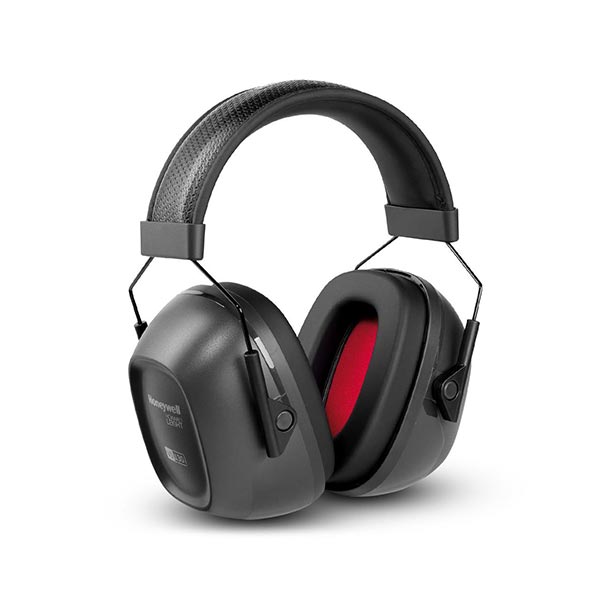
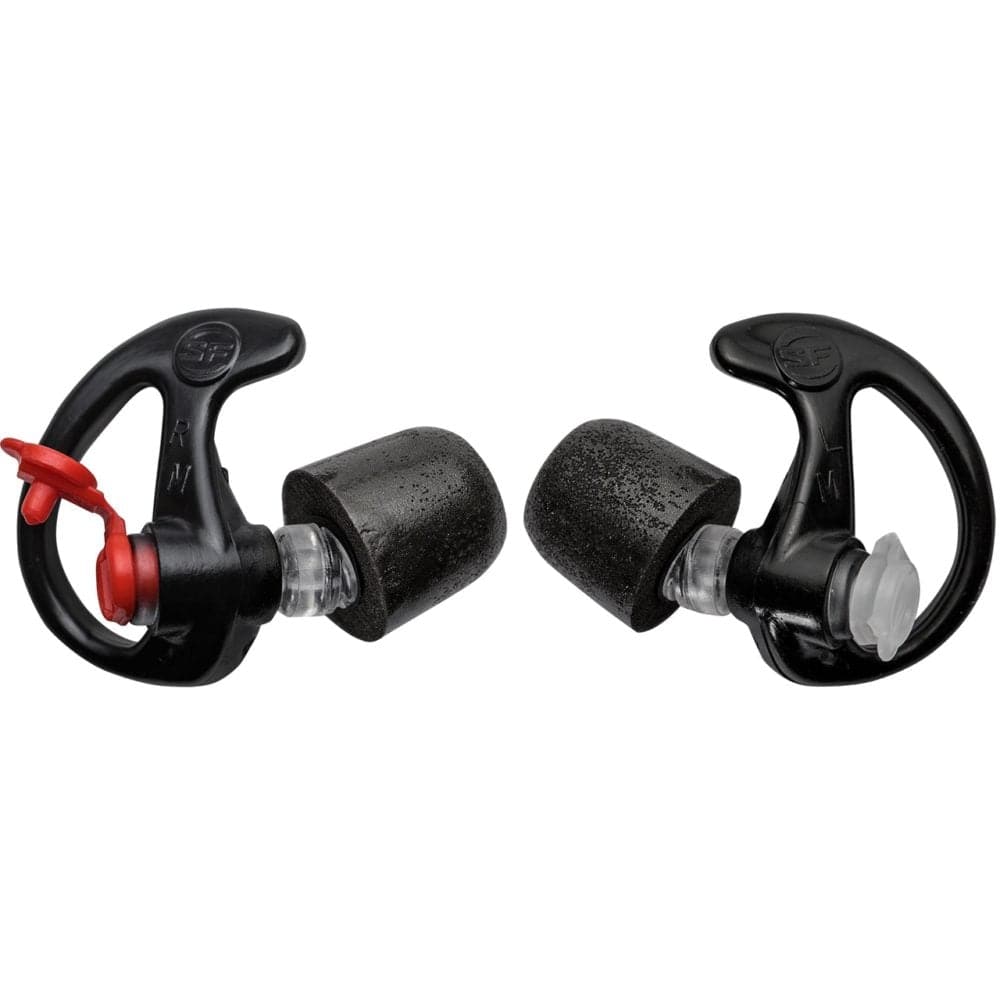


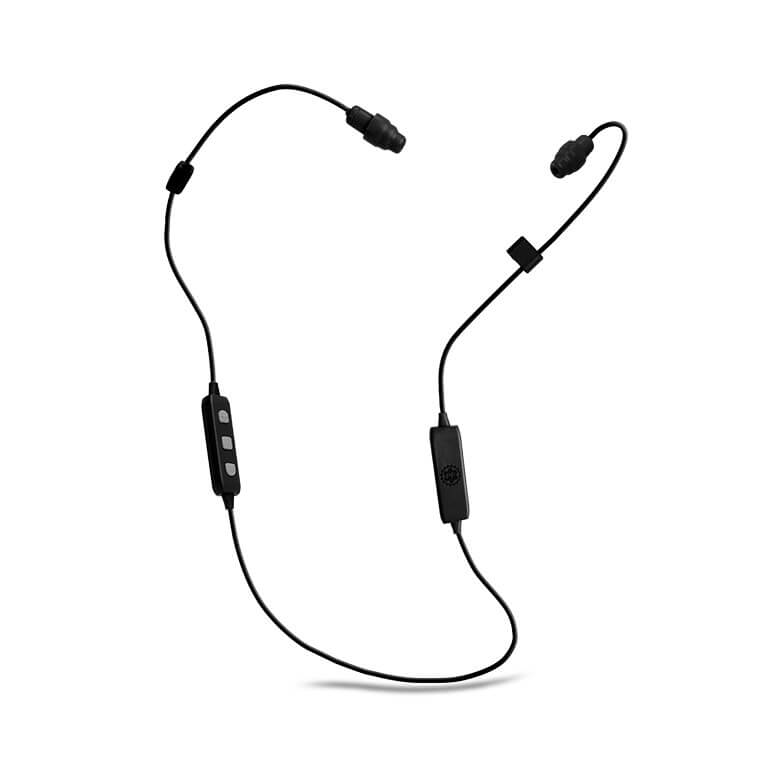
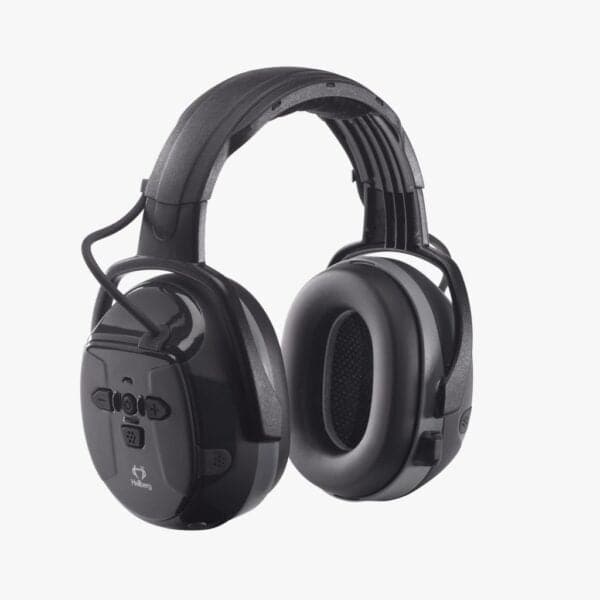


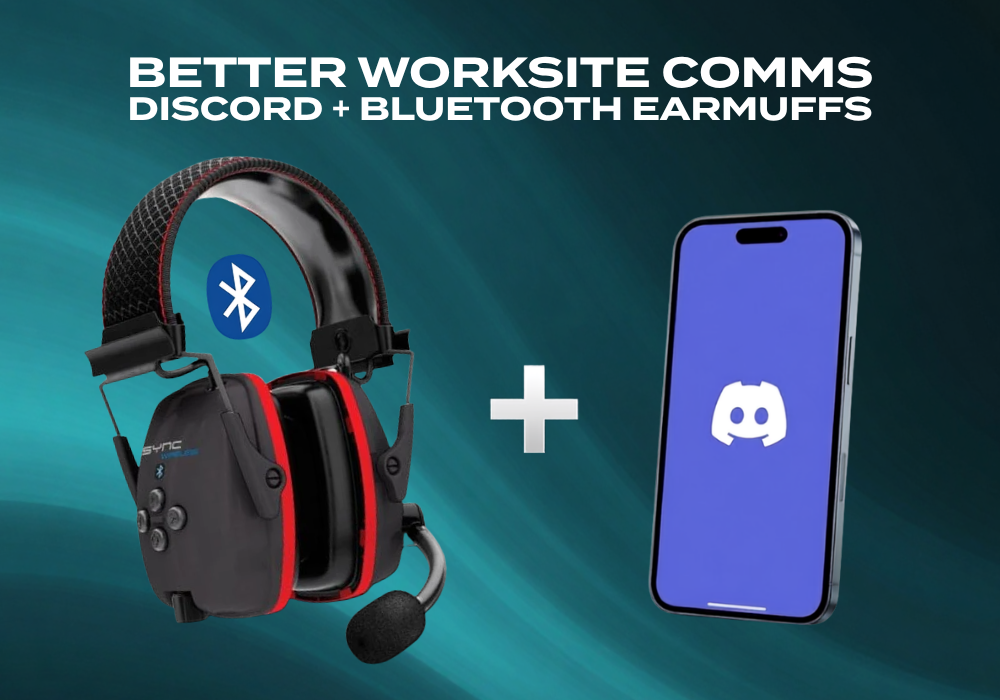
Walk onto most industrial worksites — construction zones, factories, mines, event setups — and you'll still find teams relying on two-way radios. They've done the job for decades. But pairing Discord with Bluetooth earmuffs like the Honeywell Sync Wireless is quickly making that setup look dated.
Here's why more site managers are making the switch.
You don't have to choose between protection and communication
Traditional radio-integrated earmuffs work, but they often involve fiddly hardware, manual tuning, or push-to-talk accessories that feel like an afterthought. With a Bluetooth earmuff and Discord running on a smartphone, you get continuous hearing protection and hands-free communication with nothing extra to carry or configure. Workers stay protected without having to think about it.
The audio quality is genuinely better
Anyone who's strained to hear a crackling radio over heavy machinery knows the frustration. Discord uses VoIP technology with digital noise suppression, echo cancellation and auto gain control — which in plain English means voices come through clearly, even on a loud site. Pair that with a noise-cancelling boom mic on your earmuffs and you've got a setup that outperforms most radio systems without trying very hard.
Conversations actually flow
Radio communication is half-duplex — one person talks, everyone else waits. It works, but it's slow and unnatural, especially when things are moving fast on site. Discord is full-duplex, meaning multiple people can talk and listen at the same time, the way a normal conversation works. You can also set up persistent channels for different crews — crane operators, riggers, traffic control — and mute or moderate in real time. It's a small change that makes a big difference to how a team operates.
Range and interference stop being a problem
Radios struggle with physical distance, tunnels, and interference from other users on nearby frequencies. Discord runs on mobile data or Wi-Fi, so range isn't really a consideration — whether your team is spread across a large site or split between locations entirely, everyone's on the same channel. No scanning, no overlap, no dead zones.
It's significantly easier on the budget
Outfitting a crew with industrial-grade two-way radios isn't cheap. Factor in the upfront cost per handset, proprietary replacement batteries, repeater stations to boost signals, and commercial frequency licensing fees, and the numbers add up fast. In contrast, Discord is completely free. Since most workers already carry a smartphone, your only real hardware expense is a solid pair of Bluetooth earmuffs—which often cost less than a standalone commercial radio. You are effectively getting an enterprise-level communication network without the enterprise-level price tag.
It scales without the headaches
Adding someone to a radio network means sourcing hardware, configuring channels, and potentially dealing with licensing. Adding someone to a Discord server takes about ten seconds. For sites with rotating crews, subcontractors or seasonal workers, that simplicity adds up quickly. The earmuffs cover hearing protection and communication in one device, which also means less equipment to manage and fewer things to go wrong.
There's a paper trail
This is one area where radios simply can't compete. Discord keeps persistent chat logs, supports photo and video sharing, and can record voice for documentation or training purposes. For incident reporting, safety records or just keeping everyone on the same page, that's genuinely useful — not just a nice-to-have.
The learning curve is basically flat
If someone can use a smartphone, they can use Discord. There's no training required beyond joining a channel, which removes one of the quiet friction points of rolling out new comms hardware on a busy site.
The bottom line
Two-way radios have served worksites well, and for some situations, they still make sense. But for teams that need clearer audio, better range, easier scaling, lower costs, and a communication setup that doesn't fight against their hearing protection — Discord and Bluetooth earmuffs are worth a serious look. It's less a replacement than an upgrade to how worksite teams actually talk to each other.
Note: Before making the switch, it's worth checking with your health and safety officer. Communication system requirements vary by industry, site, and jurisdiction, and what works on one worksite may not be approved for another.